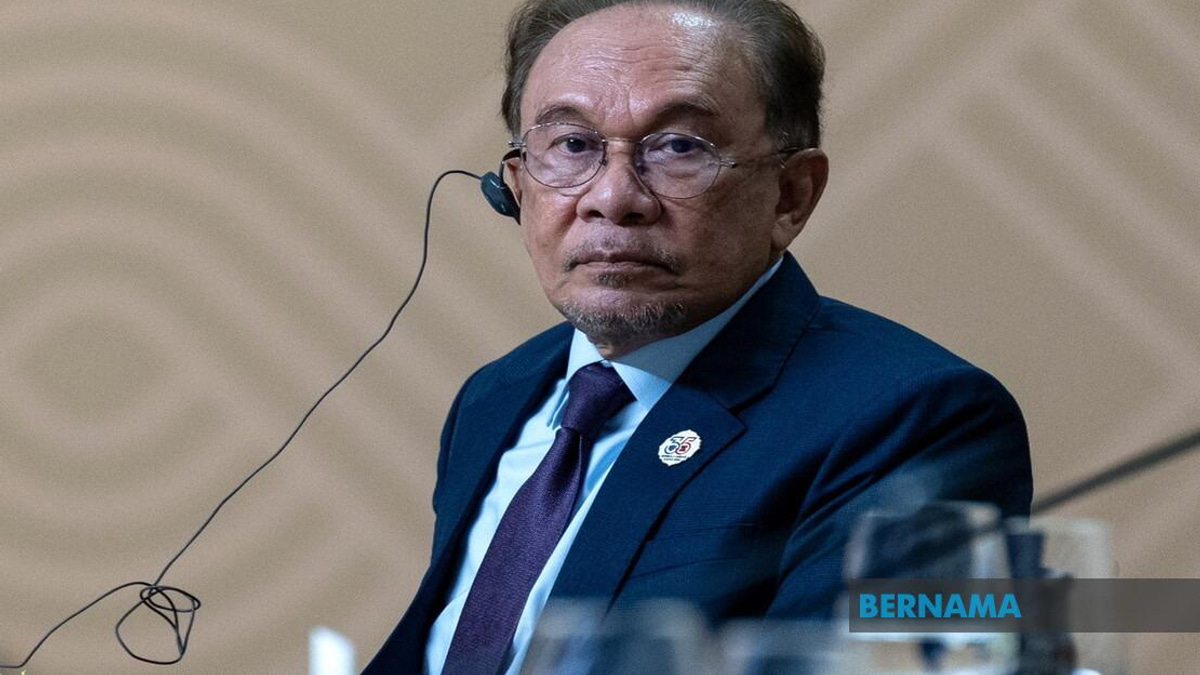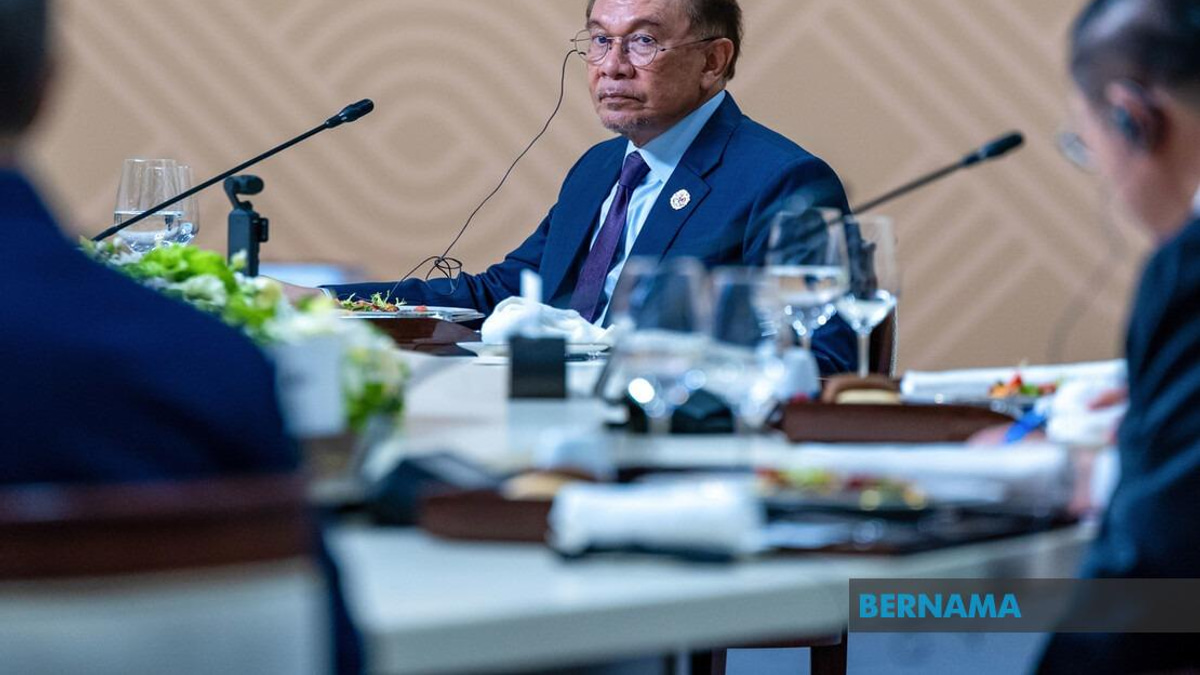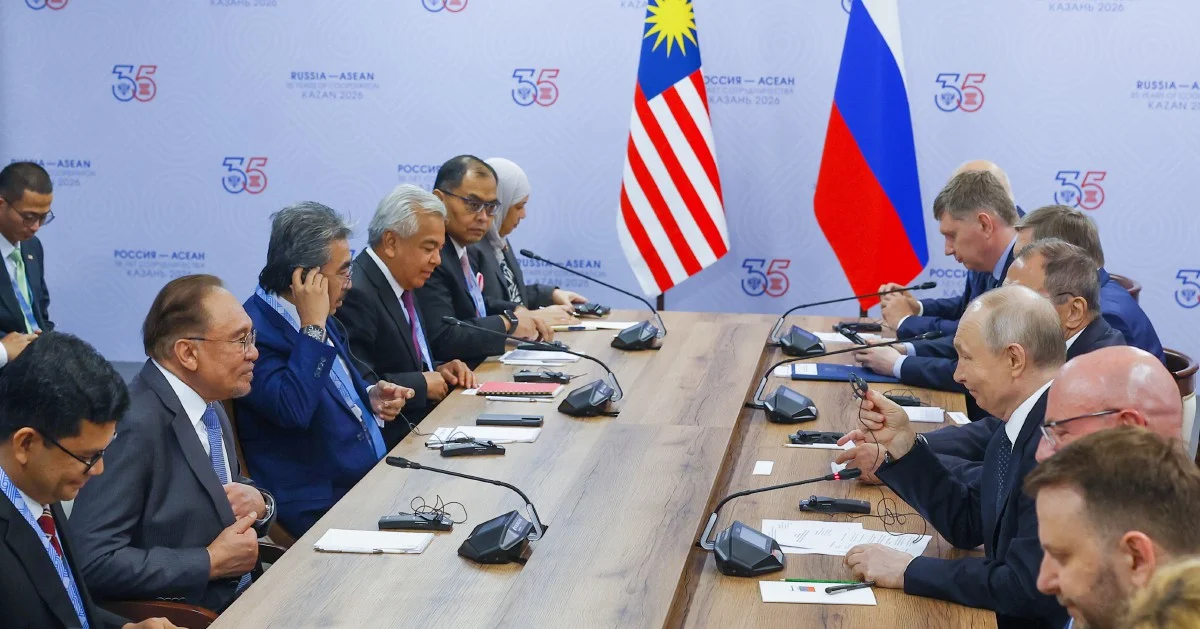
Prime Minister Datuk Seri Anwar Ibrahim has publicly acknowledged Russian President Vladimir Putin's endorsement of Malaysia's energy cooperation initiatives, marking another milestone in the strengthening relationship between Kuala Lumpur and Moscow. Speaking in Kazan, Anwar expressed his appreciation for Russia's backing of collaborative efforts involving Petroliam Nasional Bhd (Petronas), Malaysia's state-owned oil and gas behemoth, underscoring the significance of securing regional support for the country's energy portfolio.
The exchange reflects a broader strategic pivot in Malaysia's energy diplomacy, particularly as the nation navigates complex global markets and seeks to diversify its international partnerships. Energy cooperation stands as a cornerstone of bilateral relations between Malaysia and Russia, two countries with distinct but complementary interests in the hydrocarbons sector. Russia's explicit support for Petronas-led initiatives carries weight beyond mere symbolic value, potentially opening pathways for technology transfer, joint ventures, and expanded commercial arrangements that could enhance Malaysia's competitive position in global energy markets.
Petronas, as one of Asia's most significant integrated oil and gas operators, plays a pivotal role in Malaysia's economic resilience and energy security. The national champion commands operations across multiple continents, manages substantial reserves, and serves as a critical generator of government revenue. Any endorsement from major international actors like Russia amplifies Petronas's legitimacy on the world stage and may facilitate access to Russian expertise in areas such as arctic energy extraction, liquefied natural gas technology, and deep-water exploration—domains where Russian firms possess considerable operational depth.
The timing of Anwar's remarks in Kazan carries particular significance within the context of Malaysia's non-aligned foreign policy stance. By maintaining substantive engagement with Russia despite geopolitical pressures, Malaysia demonstrates commitment to pragmatic diplomacy and economic self-interest rather than ideological alignment. This balancing act remains crucial for a nation intent on preserving market access across diverse geographical regions while managing relations with both Western and non-Western powers. Energy cooperation provides a politically acceptable framework for this engagement, as it focuses on technical and commercial matters rather than contentious political issues.
For Petronas specifically, Russian support opens multiple possibilities for expansion and innovation. The company has consistently pursued international growth, particularly in challenging environments where technical expertise and capital resilience become essential. Russia's backing could facilitate knowledge-sharing arrangements, accelerate joint development projects, or create opportunities for coordinated bidding on third-country opportunities. Such partnerships would complement Petronas's existing relationships in other regions and strengthen its operational capabilities across different geological formations and regulatory environments.
Malaysia's energy sector faces mounting pressures from global energy transition imperatives and fluctuating commodity prices. While hydrocarbon exports remain economically vital, the nation increasingly recognises the necessity of balancing traditional energy production with renewable energy development and energy efficiency measures. International partnerships with experienced players like Russia can provide transition support, financing mechanisms, and technological pathways that enable a smoother evolution of the national energy portfolio. This dual approach—maintaining hydrocarbon revenues while gradually building renewable capacity—requires sophisticated international cooperation.
The geopolitical dimension of Malaysia-Russia energy cooperation should not be underestimated. Southeast Asia remains an arena where great powers compete for influence, and energy partnerships often function as vehicles for broader strategic engagement. Russia, seeking to maintain relevance and expand economic ties beyond Western-aligned markets, views Southeast Asian nations as crucial partners. Malaysia's openness to energy cooperation with Moscow signals the persistence of non-aligned thinking in the region and reinforces Russia's capacity to maintain economic relationships despite international sanctions and political isolation in Western capitals.
Anwar's public recognition of Putin's support also carries domestic political implications within Malaysia. Demonstrating the government's ability to secure international partnerships and advance national economic interests resonates positively with constituencies dependent on energy sector employment and revenue streams. Petronas employs thousands directly and supports hundreds of thousands more through supply chains and related industries. Evidence of expanding international cooperation bolsters confidence in the company's future prospects and, by extension, Malaysia's economic resilience.
Looking forward, this demonstrated commitment to energy cooperation between Malaysia and Russia may catalyse concrete project developments. Joint feasibility studies, technology licensing agreements, workforce training arrangements, and financial partnerships could emerge from the enhanced diplomatic framework. Such collaborations would benefit both nations: Russia gains access to Southeast Asian markets and demonstrates its capacity to maintain economic relationships globally, while Malaysia secures technical expertise and potential capital infusions for its energy operations.
The broader message conveyed through Anwar's statement is one of Malaysia's steadfast commitment to independent foreign policy conduct and pragmatic international engagement. In an era of rising geopolitical tensions and ideological pressures, maintaining diverse partnerships across traditional and emerging powers remains essential for Malaysia's strategic autonomy and economic prosperity. Energy cooperation with Russia, framed within Petronas's commercial imperatives, exemplifies this approach—serving national interests while avoiding exclusive alignment with any particular bloc or ideology.