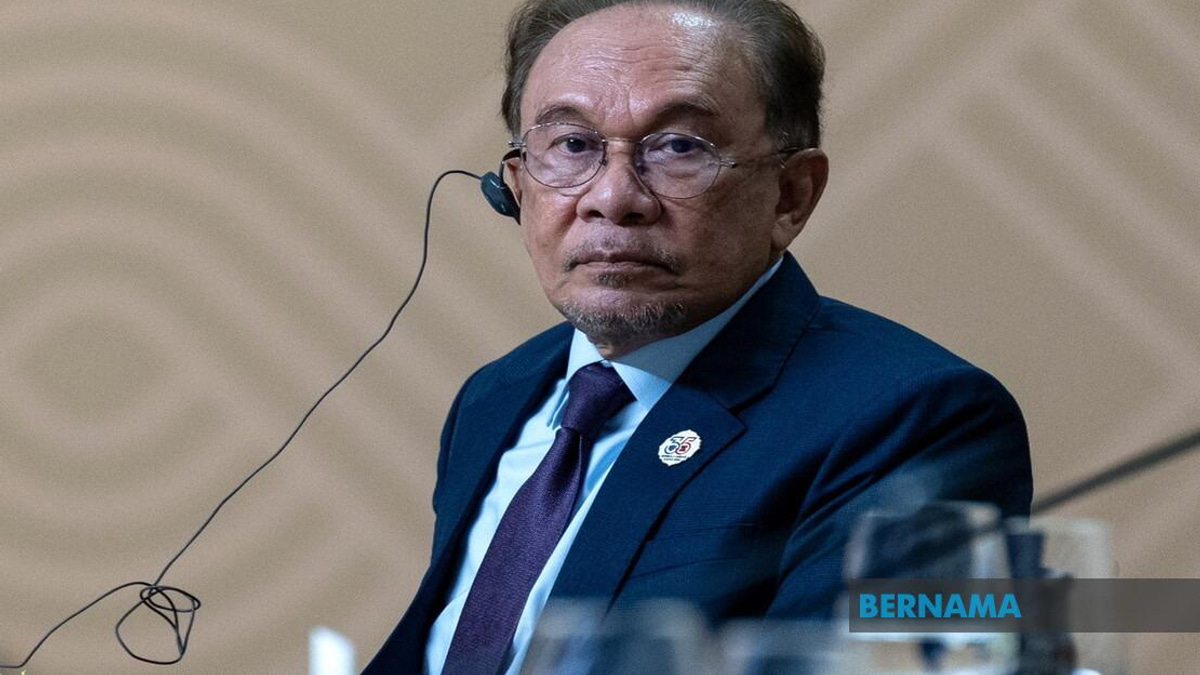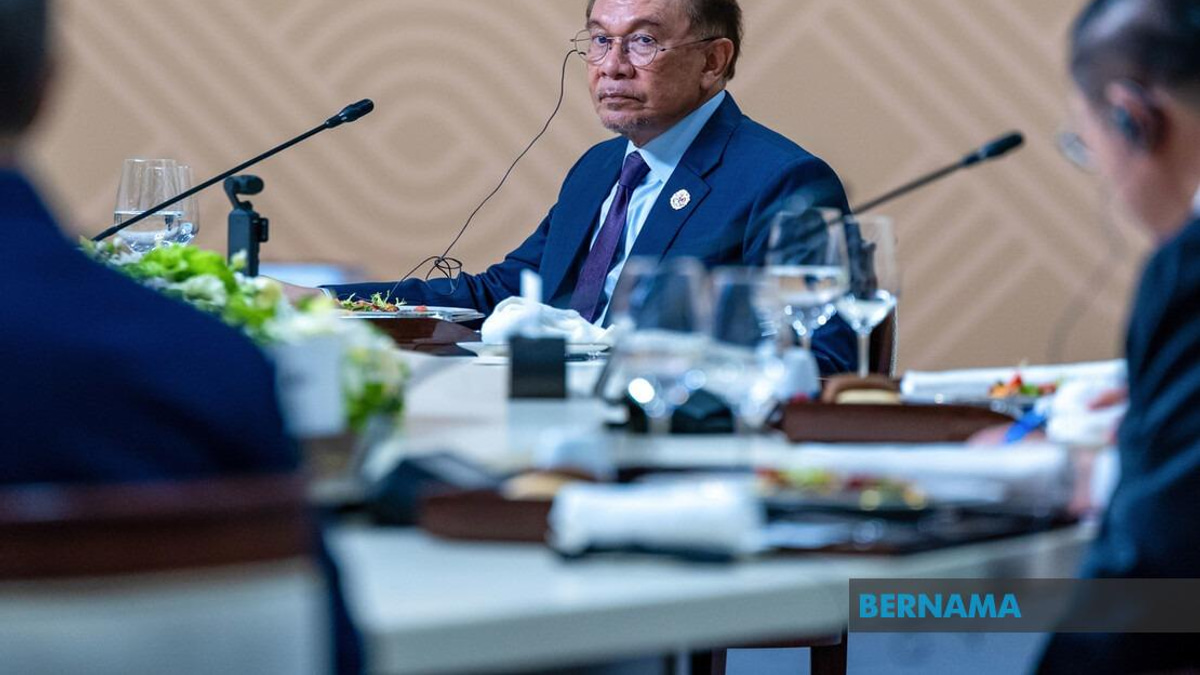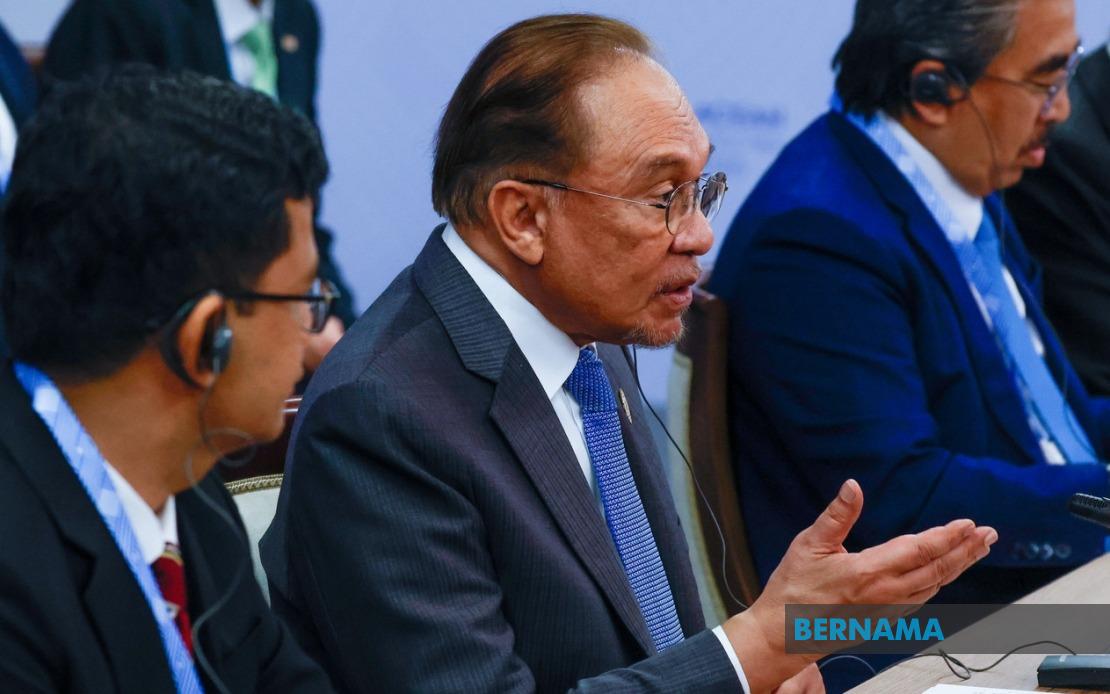
Malaysia's Prime Minister Datuk Seri Anwar Ibrahim travelled to Kazan this week to meet Russian President Vladimir Putin, using the bilateral encounter as an opportunity to voice strong appreciation for Moscow's diplomatic consistency regarding two of the world's most volatile geopolitical flashpoints: the ongoing Gaza crisis and the escalating tensions surrounding Iran. In his opening remarks at Wednesday night's meeting, Anwar deliberately highlighted Russia's unwavering commitment to both issues, framing the country's approach as exemplary of principled statecraft in an increasingly fractious international environment.
The Prime Minister's public commendation carries particular significance given Malaysia's own careful navigation of Middle East politics. Anwar stated that he was speaking not only on behalf of the Malaysian government but also on behalf of the broader Malaysian people when he acknowledged Putin's steadfastness and conviction. This phrasing suggests a carefully calibrated diplomatic message—one designed to signal that support for Russia's Middle East positions enjoys domestic resonance within Malaysia, a Muslim-majority nation with substantial diaspora communities across the region.
Russia's approach to the Gaza situation has remained remarkably stable throughout the conflict. Moscow has consistently called for immediate ceasefire arrangements, insisting that humanitarian corridors be opened to allow essential aid to reach Palestinian civilians trapped in the enclave. Rather than aligning with any particular faction, Russia has positioned itself as an advocate for de-escalation and civilian protection, a stance that resonates with the sentiment expressed by many developing nations that view the conflict through a humanitarian lens first and foremost.
Beyond Gaza, Moscow's relationship with Iran reflects a broader strategic partnership underpinned by shared regional interests and mutual security concerns. Russia has deliberately avoided endorsing military solutions to Iranian nuclear questions or regional tensions, instead championing diplomatic engagement and negotiated settlements. This stance places Russia at odds with American policy preferences, a divergence that has become increasingly apparent in recent years as bilateral US-Russia relations have deteriorated over Ukraine and other matters.
The convergence of Malaysian and Russian positions on these Middle East questions reflects deeper shifts in global alignment. Malaysia, as a significant Muslim nation with economic and diplomatic influence across Southeast Asia, has gradually positioned itself as a voice for non-aligned principles in international affairs. Anwar's administration has worked to distance Malaysia from reflexive alignment with Western policies while maintaining pragmatic economic relationships across the globe, and his public embrace of Russian consistency on Middle East issues fits squarely within this broader strategic recalibration.
Geopolitically, both Gaza and Iran represent critical pressure points where major powers jostle for influence and leverage. The United States, European nations, Russia, and China all maintain significant stakes in how these crises unfold. For Malaysia—a country heavily invested in maintaining stable trade relationships with all major powers while serving as a voice for the Global South—articulating support for Russia's diplomatic approach signals a preference for dialogue-based solutions over military interventionism. This positioning allows Malaysia to build credibility among non-aligned nations and developing economies that have grown increasingly sceptical of Western-led approaches to regional conflicts.
Anwar's emphasis on admiring Putin's tenacity and conviction rather than merely endorsing specific policy positions deserves scrutiny. By focusing on the consistency and principle underlying Russian foreign policy, the Malaysian Prime Minister elevated the conversation beyond transactional diplomacy into the realm of values and character. This rhetorical move suggests that Malaysia views Russia's unwillingness to shift positions based on pressure as inherently valuable, contrasting implicitly with nations that Malaysia may perceive as inconsistent or motivated primarily by narrow self-interest.
The timing of this bilateral meeting and Anwar's public statements also merit consideration within the context of Southeast Asian regional dynamics. As the Association of Southeast Asian Nations continues to grapple with questions about how to engage with major power rivalries without being forced to choose sides, Malaysia's approach offers a template for middle-power diplomacy. By publicly appreciating Russia's principled consistency while maintaining channels to the United States, China, and other powers, Malaysia attempts to demonstrate that nations need not abandon diplomatic relationships with any major power simply because they voice support for another's approach.
Looking forward, Anwar's remarks suggest that Malaysia will likely continue advocating internationally for ceasefire initiatives in Gaza, humanitarian access for civilians, and negotiated solutions to Iranian tensions. These positions align naturally with Malaysia's identity as a Muslim nation, its membership in various developing-country coalitions, and its demonstrated preference for multilateralism over unilateral action. The Prime Minister's willingness to publicly commend Russia's consistency indicates that Malaysia views alignment on these Middle East questions as sufficiently important to warrant explicit diplomatic messaging, even in an era when such statements can carry complicated geopolitical implications.