%22%2F%3E%3C%2Fpattern%3E%3C%2Fdefs%3E%3Crect%20width%3D%22100%25%22%20height%3D%22100%25%22%20fill%3D%22url(%23ph50l1ug)%22%2F%3E%3Crect%20width%3D%22100%25%22%20height%3D%22100%25%22%20fill%3D%22url(%23ph50l1up)%22%2F%3E%3Ctext%20x%3D%2250%25%22%20y%3D%2250%25%22%20text-anchor%3D%22middle%22%20dominant-baseline%3D%22central%22%20fill%3D%22rgba(255%2C255%2C255%2C0.95)%22%20font-family%3D%22Georgia%2C%20'Times%20New%20Roman'%2C%20serif%22%20font-weight%3D%22700%22%20font-size%3D%22272%22%20letter-spacing%3D%22-0.02em%22%3EAnwar%3C%2Ftext%3E%3C%2Fsvg%3E)
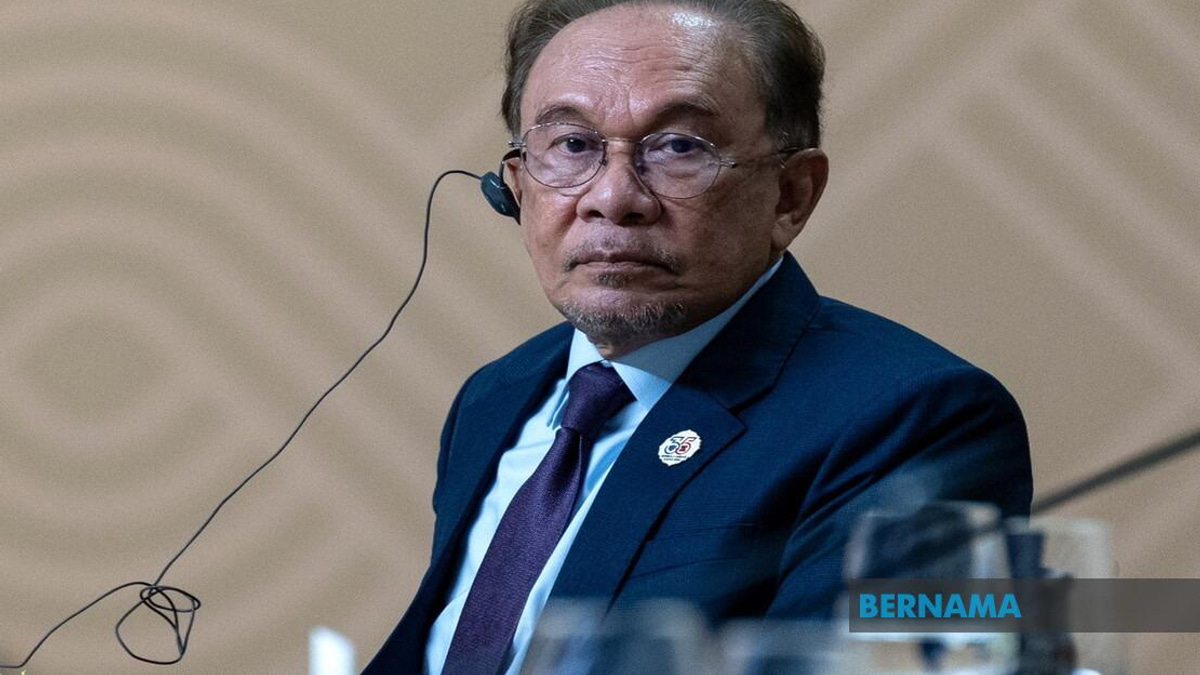
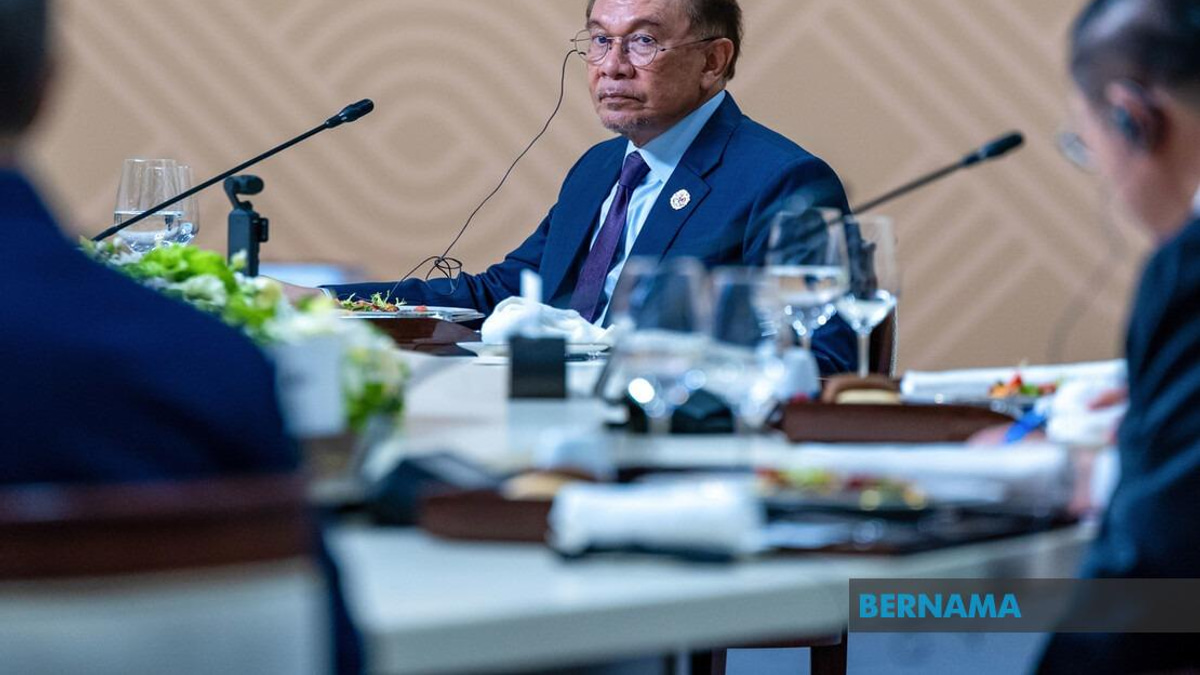
Prime Minister Datuk Seri Anwar Ibrahim left Subang Air Base today for Kazan, Russia, where he will represent Malaysia at a significant diplomatic gathering marking three and a half decades of engagement between the Southeast Asian bloc and Moscow. The journey underscores Malaysia's commitment to deepening ties with major powers beyond the traditional Western sphere of influence, even as geopolitical tensions simmer across multiple regions.
Anwar's participation in the ASEAN-Russia Commemorative Summit, scheduled for June 17 to 18, carries symbolic weight for the region. The summit marks the 35th anniversary of formal ASEAN-Russia relations, which began in 1991 in Kuala Lumpur, a milestone that reflects the maturation of diplomatic channels and institutional cooperation between the ten-nation bloc and the Eurasian power. This longevity of engagement testifies to the strategic value both parties place on their relationship, particularly in an era when global alignments are shifting and nations seek reliable partnerships across diverse geopolitical landscapes.
During his time in Kazan, the Prime Minister is scheduled to hold direct talks with Russian President Vladimir Putin. Such high-level bilateral meetings are crucial opportunities for discussing bilateral issues affecting Malaysia and Russia, including trade relations, energy cooperation, and security matters. The quality of Malaysia-Russia relations has historically been characterized by pragmatism and mutual respect for non-interference in internal affairs, principles that resonate with Malaysia's broader foreign policy doctrine.
Beyond formal government-to-government engagements, Anwar will also participate in the Russia-ASEAN Business Forum, an event designed to facilitate commercial dialogue and identify investment opportunities between Russian enterprises and Southeast Asian businesses. For Malaysian corporations and traders, such forums provide platforms to explore partnerships in sectors ranging from energy and minerals to technology and agricultural commodities. The involvement of Minister of Investment, Trade and Industry Datuk Seri Johari Abdul Ghani and Minister of Economy Akmal Nasrullah Mohd Nasir in the delegation underscores the commercial significance Malaysia attributes to these interactions.
The delegation composition itself reflects the multifaceted nature of modern diplomatic missions. Alongside the economic ministers, Anwar will be accompanied by officials from the Prime Minister's Office and the Foreign Ministry, ensuring coordinated messaging and comprehensive coverage of various cooperation domains. This institutional approach demonstrates how Malaysia structures its engagement with major powers to address economic growth, strategic interests, and diplomatic objectives simultaneously.
According to Wisma Putra, the summit agenda encompasses substantive areas of mutual concern and opportunity. Discussions will focus on strengthening practical cooperation across trade and investment, energy security, food production and distribution, digital economy development, science and technology advancement, cultural exchanges, educational programs, tourism promotion, and people-to-people connectivity. This breadth of topics reflects the comprehensive nature of ASEAN-Russia relations and acknowledges that modern great power partnerships extend far beyond traditional diplomacy into civilian spheres that directly affect ordinary citizens.
Energy cooperation remains particularly significant for Malaysia and other ASEAN members. Russia's substantial hydrocarbon reserves and technological expertise in extraction and refining make it a natural partner for Southeast Asian nations managing their energy transitions. As ASEAN countries balance development needs with climate commitments, engagement with Russian energy suppliers and experts can inform strategic decision-making about fuel sources, transition pathways, and infrastructure investments over the coming decades.
Food security, another priority topic for discussion, has become increasingly critical for Southeast Asia in recent years. Supply chain disruptions and climate-related agricultural challenges have highlighted the vulnerability of import-dependent economies. Russia's agricultural export capacity and expertise in grain and other staple production make it a relevant partner for regional food security initiatives. Conversely, ASEAN's role as a major exporter of palm oil, rubber, and tropical agricultural products creates reciprocal trade opportunities.
The digital economy and science-technology cooperation agenda reflects contemporary development priorities. Both ASEAN and Russia possess technological capabilities and research institutions capable of meaningful collaboration. Partnerships in artificial intelligence, cybersecurity, and digital infrastructure could benefit businesses and governments across Southeast Asia while providing Russian companies access to ASEAN's dynamic markets and technical talent pools.
Following the Kazan summit, Anwar will proceed to Ashgabat, Turkmenistan, for an official state visit at the invitation of President Serdar Berdimuhamedow. This continuation reflects broader Southeast Asian engagement with Central Asian nations, extending Malaysian diplomatic reach into regions often overlooked in Western media coverage but increasingly important for resource flows, transit trade, and strategic balance in Eurasia. The dual visits position Malaysia as an active player in Eurasian affairs, not merely a passive participant in global politics.
Anwar's regional tour demonstrates Malaysia's strategic positioning as a nation that maintains substantial relationships across multiple geopolitical groupings. By engaging seriously with Russia and Central Asia while maintaining its traditional Western partnerships and its crucial relationships within ASEAN and Asia-Pacific, Malaysia articulates a foreign policy of pragmatic non-alignment. This approach, rooted in principles outlined during Malaysia's founding era, remains highly relevant in contemporary international relations where excessive ideological polarization constrains options for developing nations seeking to maximize economic opportunities and strategic autonomy.
The ASEAN-Russia engagement also carries significance for smaller Southeast Asian nations that benefit from maintaining options and avoiding forced alignment with any single power. As geopolitical competition intensifies between various blocs and coalitions, ASEAN's collective voice and its cultivation of relationships with multiple partners become increasingly valuable assets for regional stability and prosperity.