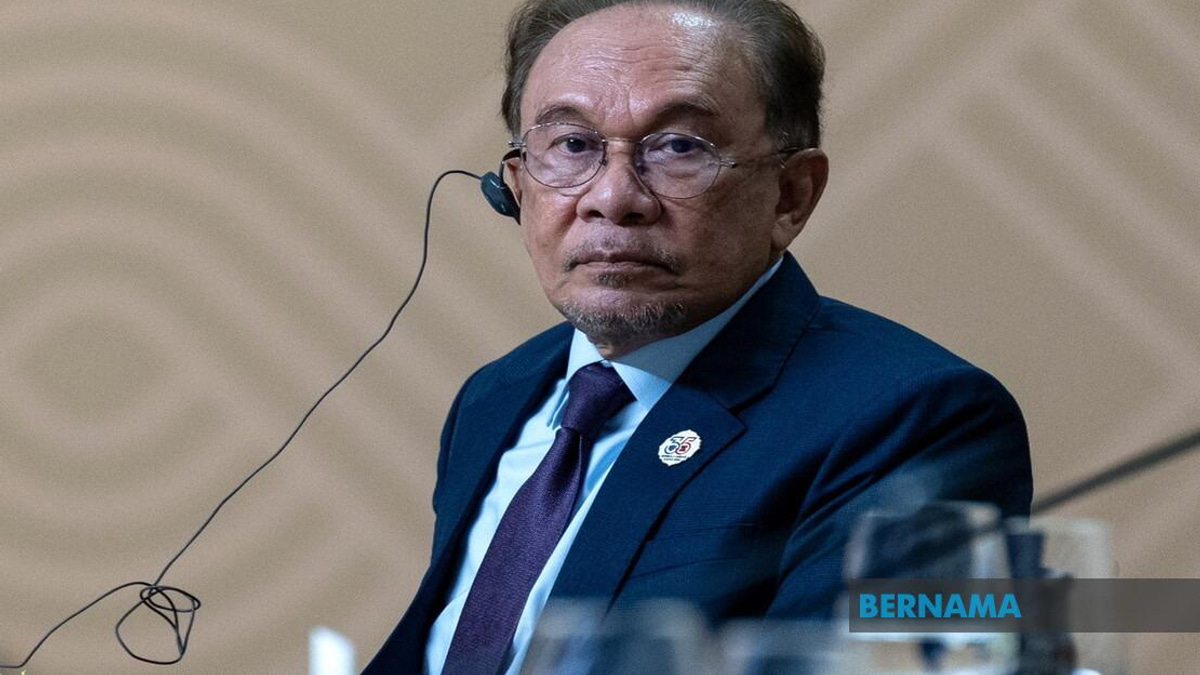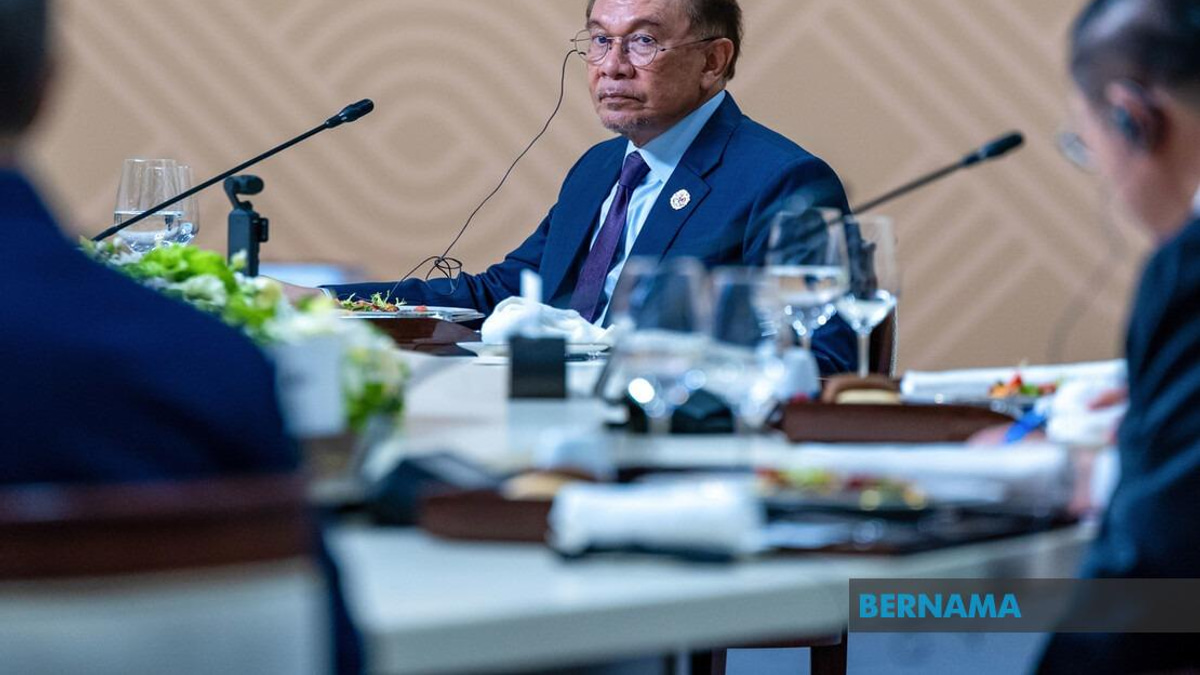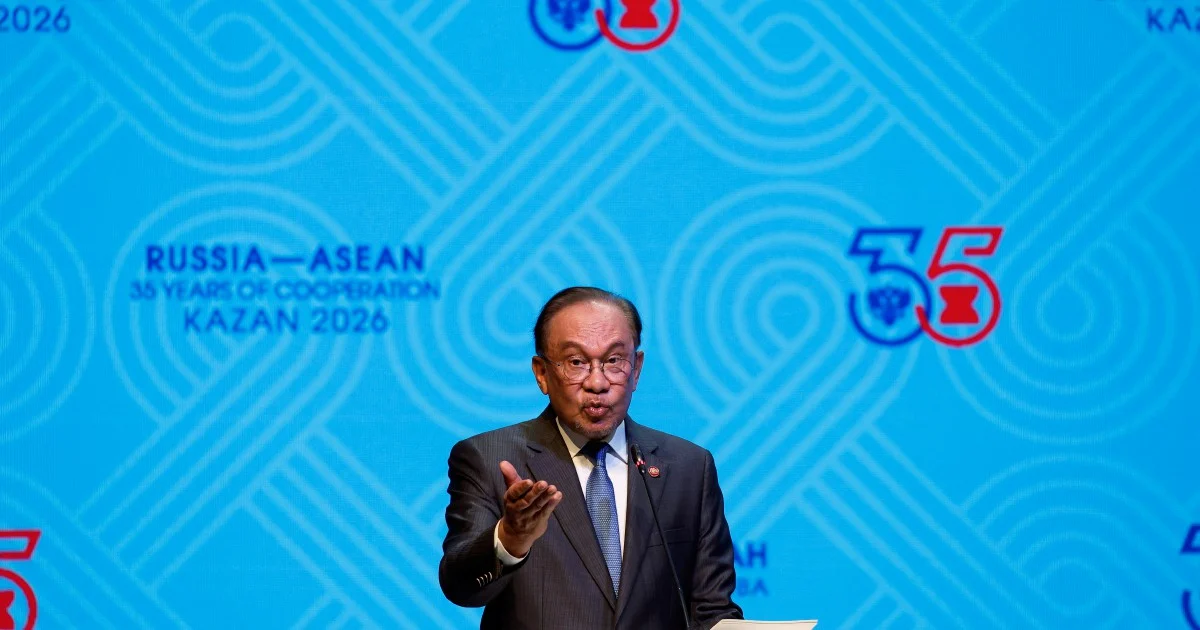
Prime Minister Datuk Seri Anwar Ibrahim has characterised the finalisation of the Asean-Russia Strategic Programme on Trade and Investment Cooperation 2026-2035 as a significant milestone that sets the stage for accelerated economic collaboration between the bloc and Moscow. Speaking in Kazan, the Malaysian leader indicated that the completion of this framework represents much more than symbolic progress, viewing it instead as the formal bedrock upon which future commercial expansion can be systematically constructed across the next decade. The timing of this agreement reflects broader geopolitical calculations, as regional leaders seek to diversify their economic partnerships and reduce singular reliance on established Western markets that have dominated Southeast Asian trade for generations.
The strategic programme itself addresses a fundamental reality in contemporary Asian economics: the growing complementarity between Russia's natural resource wealth and technology capabilities and Asean's manufacturing prowess, consumer markets, and labour advantages. For Malaysia in particular, the framework carries implications spanning from energy security to industrial collaboration, given the nation's historical ties with Moscow and its strategic position as a regional economic hub. The roadmap encompasses multiple sectors including energy, agriculture, transportation, and manufacturing, providing multiple avenues through which bilateral and multilateral engagement can develop organically across member states rather than through singular national agreements.
Yet Anwar's emphasis on the need for an enabling environment signals his understanding that signed frameworks alone cannot automatically translate into measurable increases in bilateral trade volumes or investment flows. The Malaysian leader recognises that while diplomatic agreements remove formal barriers and establish negotiating platforms, practical impediments frequently obstruct their implementation. These challenges range from technical standards harmonisation to financing mechanisms, insurance frameworks for cross-border transactions, and the establishment of trusted dispute-resolution procedures that encourage business communities on both sides to commit capital and resources to long-term projects rather than pursuing short-term gains.
The geopolitical context surrounding this agreement cannot be overlooked, particularly given international sanctions regimes affecting Russian economic participation in global commerce. Asean's historical policy of strategic autonomy and non-alignment positions the bloc as a neutral actor capable of engaging Moscow without necessarily endorsing particular foreign policy positions. For member states like Malaysia that maintain balanced relationships across major powers, this framework offers an opportunity to strengthen ties while maintaining the diplomatic flexibility that has defined Southeast Asian statecraft. The programme's ten-year horizon suggests that both parties anticipate a relatively stable international environment within which such cooperation can flourish, though recent geopolitical volatility has demonstrated how quickly circumstances can shift.
Energy cooperation emerges as perhaps the most immediately consequential dimension of potential Asean-Russia engagement. Russia's extensive hydrocarbon reserves and advanced extraction technologies could supply growing Southeast Asian demand, while Asean's refining and downstream capabilities present investment opportunities for Russian energy companies seeking downstream integration. Malaysia's own role as an energy exporter and a regional financial centre positions it to facilitate such linkages, whether through direct corporate participation or through provision of financial and trading infrastructure that connects Russian suppliers with regional consumers.
Agricultural collaboration represents another substantial opportunity under the programme's framework. Russia possesses significant grain production capacity and livestock industry infrastructure, while multiple Asean nations are substantial importers of wheat and related commodities. Establishing reliable supply chains and long-term purchasing agreements could benefit both regions by reducing volatility in regional food prices and strengthening supply security. Conversely, Southeast Asian agricultural specialities including palm products, tropical fruits, and seafood face strong demand within Russia and the broader post-Soviet region, suggesting potential for mutual expansion.
The manufacturing and technology dimensions carry particular importance for Malaysia's economy. The roadmap could facilitate technology transfer and joint ventures in automotive, electronics, and petrochemicals sectors where both parties possess comparative advantages. Malaysian companies with regional distribution networks might partner with Russian technology providers or manufacturers seeking greater access to growing Asian consumer markets. Such collaboration requires precisely the kind of enabling environment Anwar referenced—streamlined investment approval processes, intellectual property protection frameworks, and predictable regulatory treatment that businesses require when committing significant capital.
Implementation mechanisms will ultimately determine whether this framework becomes a genuine driver of economic integration or merely another diplomatic document. The creation of bilateral working groups, regular high-level consultations, and commercial chambers focused on specific sectors will be essential. Malaysian institutions, including the boards of directors of major corporations and chambers of commerce, will likely play intermediary roles in translating policy frameworks into concrete business relationships that generate employment and growth throughout the region.
Anwar's dual message—celebrating achievement while tempering expectations with realism—reflects the maturity appropriate to contemporary regional leadership. The programme provides essential scaffolding for economic expansion, but success requires sustained political commitment, private sector initiative, and the cultivation of genuine business relationships built on transparent practices and mutual benefit. For Malaysia and fellow Asean members, this framework opens new possibilities for growth and diversification during a period of increasing economic competition and great power rivalry across the Indo-Pacific.