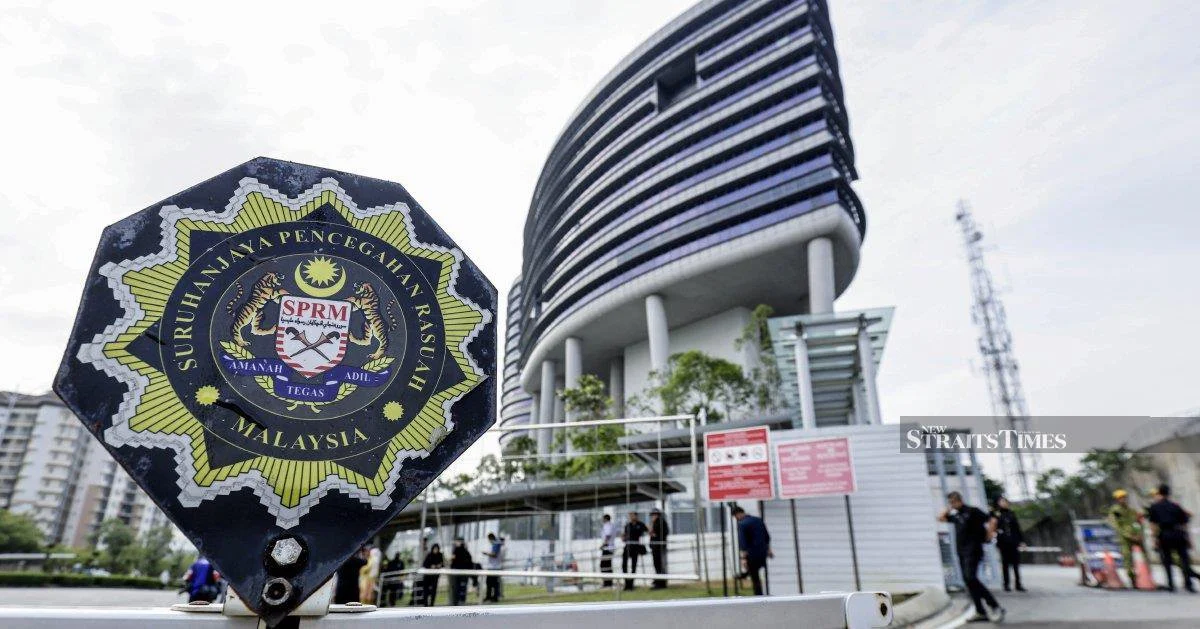
The Malaysian Anti-Corruption Commission (MACC) has indicated it will launch a comprehensive examination of institutional safeguards and procedural controls underpinning the Daya Kerjaya 2.0 employment incentive scheme. This decision reflects growing concern that the scale of suspected financial misconduct—totalling approximately RM9 million—may point to deeper systemic vulnerabilities rather than isolated wrongdoing.
The Daya Kerjaya 2.0 initiative represents a significant component of Malaysia's labour market interventions, designed to encourage employers to hire and upskill workers through financial incentives. Like many government-run programmes, its success depends critically on robust administrative oversight and transparent claims verification. The MACC's broadened focus suggests investigators believe the scheme's control mechanisms may have failed to prevent or detect unauthorised payments effectively.
Governance weaknesses in large-scale employment programmes can manifest across multiple operational dimensions. Claims validation procedures might lack sufficient independent verification, creating opportunities for inflated submissions. Data management systems could operate in silos, preventing cross-checking between different approval layers. Staff training and compliance awareness may be inadequate, allowing genuine administrative errors to accumulate alongside deliberate misrepresentation. The MACC will likely examine all these areas as it constructs its investigative picture.
The alleged RM9 million in fraudulent claims represents a meaningful loss to public resources, but the broader concern is what the pattern of suspected misconduct reveals about programme design. If claims passed through multiple approval stages without detection, this raises questions about whether oversight was genuinely independent or merely procedural. The presence of governance gaps could indicate that efficiency and speed were prioritised over rigorous verification when the scheme was initially established.
For Malaysian policymakers and programme administrators, this investigation carries important lessons about accountability architecture. Employment incentive schemes serve vulnerable populations—workers seeking skills development and businesses adjusting to labour market changes—and their integrity affects broader confidence in government interventions. When such programmes falter, not only does public money disappear, but potential beneficiaries may lose opportunity and public trust in similar initiatives erodes.
The investigation's focus on procedural weaknesses also suggests the MACC is distinguishing between individual fraudsters and systemic failures that enable wrongdoing. This distinction matters because while prosecution can deter individuals, structural reforms prevent recurring vulnerability. The watchdog's expanded brief indicates it will likely recommend specific governance improvements alongside any criminal referrals it may make.
Within the Southeast Asian context, governance lapses in employment programmes reflect challenges many middle-income countries face as administrative systems scale. Programmes that function adequately with modest budgets may develop blind spots when expanded rapidly. Digital transformation and modernised verification systems have helped some governments address these risks, yet implementation remains uneven across the region. Malaysia's experience with Daya Kerjaya 2.0 will influence how other Southeast Asian nations structure similar initiatives.
Stakeholders in Malaysia's employment ecosystem—including chambers of commerce, labour unions, and training providers—will await the MACC's findings with significant interest. If governance failures are confirmed, they may demand clarification about whether current procedures remain in place or whether reforms have already been implemented. Employers participating in incentive schemes require confidence that programme rules operate consistently and fairly, and workers need assurance that funds designated for their development actually reach their intended purposes.
The timing of this investigation also matters. As Malaysia continues developing its economic strategies and human capital initiatives, questions about administrative integrity in existing programmes directly influence appetite for new interventions. A demonstrated commitment to investigating and correcting governance weaknesses sends important signals about institutional seriousness, whereas unresolved questions could dampen confidence in subsequent policy announcements.
The MACC's investigation will take time to mature, but its preliminary scope indicates a methodical approach that recognises the difference between individual malfeasance and institutional design failures. This distinction will shape both the investigation's conclusions and the likely reforms flowing from them. For Malaysia's governance framework, how thoroughly the commission examines these structural dimensions—and how transparently it reports its findings—may ultimately matter as much as the fraud figures themselves.