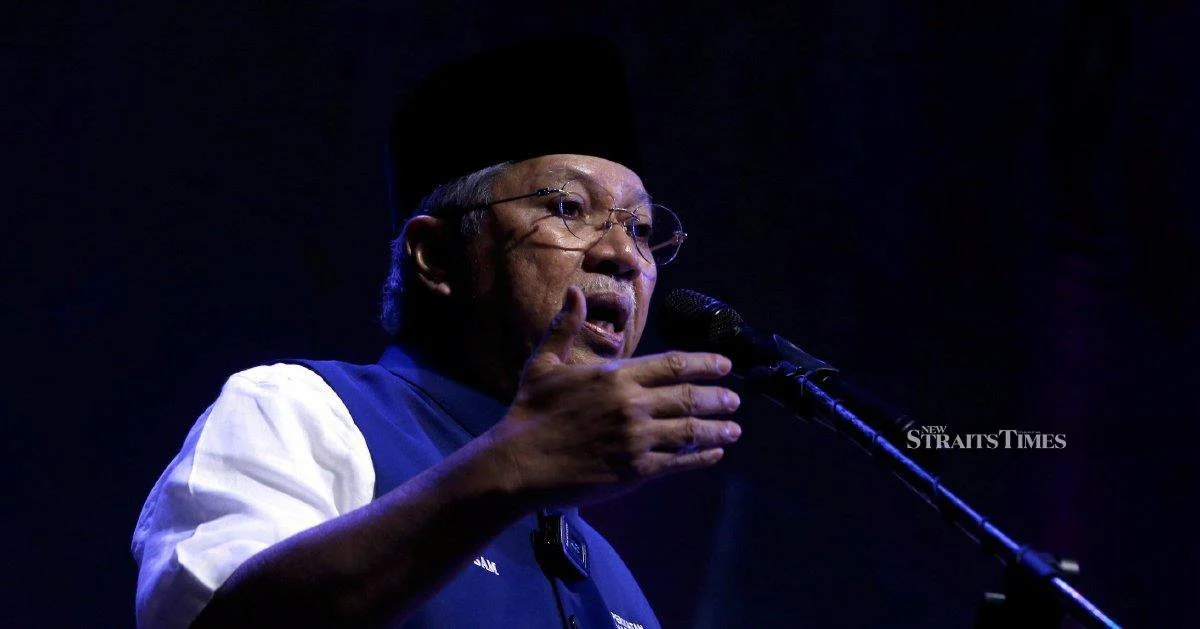
The Perikatan Nasional coalition is navigating troubled waters as party leaders signal the need for measured communication and careful navigation of emerging disputes. Annuar Musa, a senior political figure, has advised Bersatu to maintain composure and resist the impulse to air grievances through public statements while coalition tensions persist.
The cautionary message reflects growing anxiety within Perikatan Nasional leadership about how internal disagreements could undermine the opposition bloc's political standing heading into what may be a critical period for Malaysian politics. Coalition dynamics have been tested before, but recent weeks have seen friction points emerge that threaten the carefully balanced partnership between its constituent parties.
Bersatu, as one of three major components of Perikatan Nasional alongside PAS and Parti Pribumi Bersatu Malaysia, occupies a pivotal position within the alliance. The party's leadership decisions frequently signal the coalition's overall trajectory and capacity to present a unified front. Any precipitous action or inflammatory rhetoric from Bersatu could trigger broader instability throughout the opposition partnership.
The tensions within Perikatan Nasional likely stem from competing interests among member parties regarding coalition strategy, ministerial representation in any future government, and ideological emphasis. These perennial friction points in multi-party coalitions become especially acute when parties perceive unequal influence or fear marginalisation within the broader alliance framework.
Annuar's intervention suggests party elders recognise that public disputes could damage Perikatan Nasional's credibility at a time when opposition unity carries political weight. Malaysian voters have grown weary of coalition instability, having witnessed multiple realignments since the 2018 general election that toppled long-ruling Barisan Nasional. Coalition partners that appear divided or squabbling risk appearing unfit to govern.
For Bersatu specifically, maintaining diplomatic silence offers tactical advantages. The party can privately negotiate its interests and concerns without the handicap of having positions locked in by earlier public statements. Premature disclosure of internal disagreements would strengthen the hands of rival parties during negotiation, potentially leaving Bersatu in a weakened bargaining position.
The broader context matters considerably for Malaysian political watchers. Perikatan Nasional's unity affects not only opposition effectiveness in Parliament but also influences voter perceptions of political alternatives to the current government. An opposition coalition that appears fractious struggles to attract fence-sitting voters concerned about administrative competence and leadership stability. The bloc's capacity to offer a coherent policy platform depends heavily on presenting collective resolve rather than internal discord.
PAS, which controls significant seats and holds sway within Perikatan Nasional, may be asserting particular positions that Bersatu finds uncomfortable. Religious policy emphasis, handling of sensitive constitutional matters, or federal-state governance approaches could all trigger coalition tension. Annuar's counsel for restraint effectively gives parties breathing room to manage these differences behind closed doors rather than through damaging public confrontation.
The timing of this appeal carries significance too. Malaysian politics operates within cyclical patterns where coalition stability matters more during specific windows—approaching elections, during budget negotiations, or when government formation appears imminent. Annuar's intervention signals that leadership sees this as a critical juncture where maintaining appearances and preserving coalition architecture should take priority over airing grievances.
Looking forward, the sustainability of Perikatan Nasional depends on whether member parties can manage legitimate policy disagreements while maintaining sufficient unity for electoral and parliamentary purposes. History suggests Malaysian coalitions require constant attention and occasional recalibration to function effectively. The current friction may ultimately prove manageable if leadership heeds calls for private resolution rather than public escalation.
For Malaysian voters monitoring opposition developments, the question becomes whether Perikatan Nasional can demonstrate the maturity and organisational discipline necessary for serious governance alternatives. Public displays of internal tension erode confidence, regardless of the substantive policy merits that underlie disagreements. Annuar's appeal represents the pragmatic recognition that sometimes coalition effectiveness requires strategic silence and disciplined discretion from all member parties.