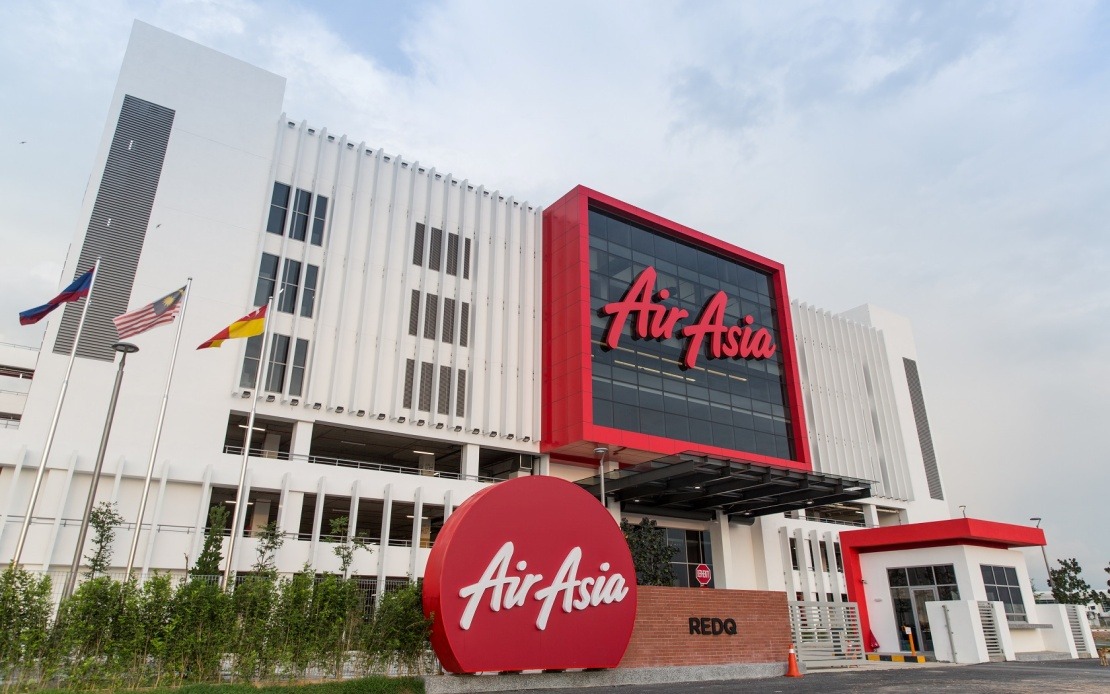
AirAsia has sounded the alarm over a deceptive recruitment website designed to prey on unsuspecting job seekers by mimicking the airline's legitimate career portal. The Sepang-based low-cost carrier disclosed that fraudsters operating http://airasiaexpress.com are actively targeting employment applicants across the region, deploying sophisticated phishing tactics to extract sensitive personal information and financial payments under false pretences.
The scheme operates with deliberate sophistication, replicating the appearance and messaging of AirAsia's genuine careers platform to establish credibility with vulnerable applicants. Once potential candidates engage with the fake site, they are manipulated into providing detailed personal data—including identity numbers, banking information, and contact details—before being directed to pay so-called "processing fees" to advance through a fabricated hiring pipeline. This multi-layered deception capitalises on the desperation of job hunters and the trust typically extended to major regional employers.
AirAsia has explicitly clarified that its only official recruitment channel operates at http://careers.airasia.com, a distinction critical for Malaysian and Southeast Asian applicants to remember as they navigate the job market. The airline emphasised that it maintains a strict policy of never charging applicants any form of processing, administrative, or application fees at any stage of its hiring process. This transparency serves as a crucial defence mechanism for informed candidates, yet many remain unaware that legitimate employers rarely impose such charges.
The incident reflects a broader pattern of employment-related fraud increasingly targeting the region's growing workforce, particularly in high-visibility sectors such as aviation. Cybercriminals have recognised that established companies like AirAsia attract large volumes of applications monthly, providing ample opportunity to intercept and deceive candidates at scale. The sophistication of modern phishing attacks means that even vigilant job seekers can fall victim, as fake websites now employ legitimate-looking graphics, professional language, and familiar application workflows.
AirAsia's warning carries particular significance for Malaysian workers, given the airline's substantial presence in the country and its reputation as a desirable employer offering competitive positions. The fraudulent site's targeting of AirAsia applicants specifically suggests that scammers conduct research to identify high-traffic job portals, then engineer convincing replicas to maximise their harvest of personal data and financial contributions. The damage extends beyond immediate financial loss to include potential identity theft, account compromise, and long-term exploitation of stolen information.
The airline has committed to ongoing surveillance of fraudulent activities perpetrated in its name, demonstrating awareness that such threats are evolving rather than static. Security experts note that as companies enhance their defences and awareness campaigns, criminal networks continuously adapt their methods, often shifting tactics rather than abandoning schemes entirely. AirAsia's proactive stance signals a readiness to engage with law enforcement and cybersecurity authorities to pursue perpetrators and protect applicants.
Job seekers are now advised to implement rigorous verification protocols before submitting applications to any airline or major corporation. Best practices include directly visiting company websites through official domain names rather than clicking links from unsolicited emails, checking that recruitment URLs match official branding precisely, contacting company human resources teams directly via publicly listed numbers to confirm application legitimacy, and being suspicious of any request for upfront payment regardless of its justification. Malaysian regulatory authorities and employment agencies have similarly urged vigilance, recognising that fraud prevention depends on widespread public awareness.
The emergence of such scams underscores a critical vulnerability in Southeast Asia's digital labour market, where rapid employment growth and increasing online recruitment adoption have outpaced public education on fraud prevention. Thousands of job applications are processed monthly across the region, yet many applicants lack sufficient training to identify sophisticated digital deceptions. Educational institutions and government agencies might consider incorporating employment fraud awareness into career guidance programmes.
AirAsia's public disclosure represents a responsible corporate approach, as many companies initially attempt to address fraud quietly to avoid reputational harm. Instead, the airline has prioritised applicant safety by publicising the threat prominently, enabling word-of-mouth dissemination and media coverage to reach affected communities. This transparency, while potentially challenging for brand perception, ultimately protects more individuals than silence would.
The incident also highlights the importance of strengthened cybercrime enforcement across the region. Malaysia's authorities possess the technical capacity to identify and prosecute such operators, yet the borderless nature of online fraud complicates jurisdictional responses. International cooperation between ASEAN nations' law enforcement agencies remains essential to dismantle networks conducting recruitment fraud across multiple countries simultaneously. Until perpetrators face credible consequences, such schemes will proliferate and evolve.
For Malaysian workers seeking positions with AirAsia or any major employer, the fundamental lesson is straightforward: verify independently and avoid sharing sensitive information with unconfirmed sources. Legitimate employers understand applicant caution and welcome verification efforts. By maintaining scepticism and adhering to official channels, job seekers can largely insulate themselves from such threats while supporting a safer digital employment ecosystem across Southeast Asia.