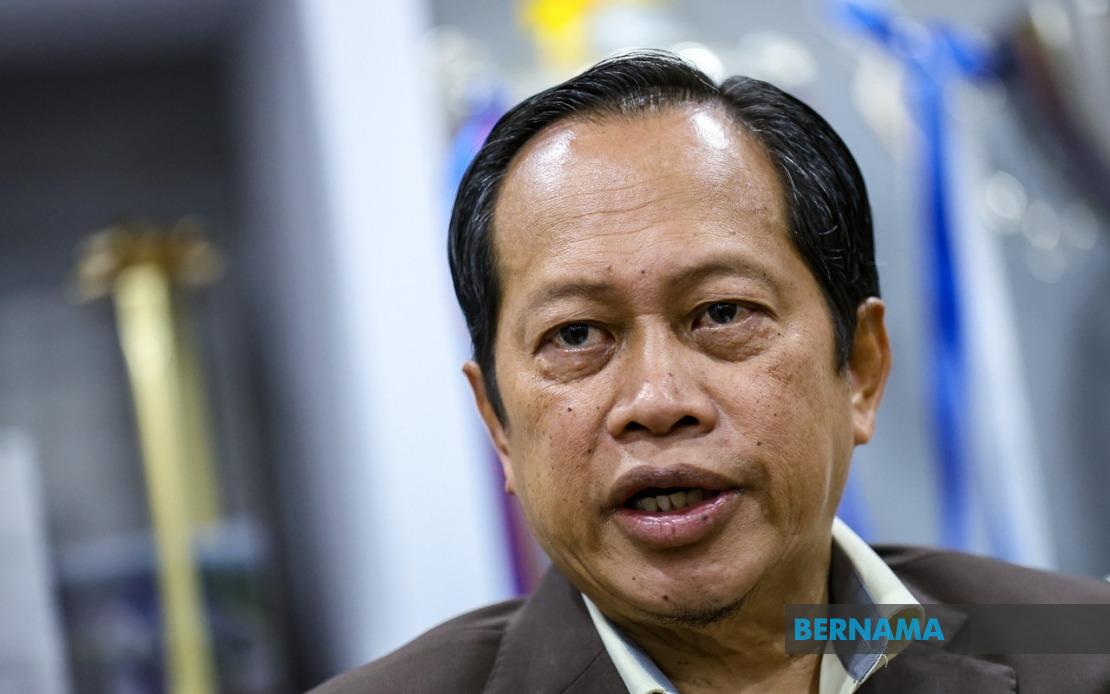
Johor's Barisan Nasional leadership received clarity this week when Datuk Seri Dr Ahmad Maslan publicly confirmed he will not seek a seat in the upcoming state election, resolving weeks of uncertainty about his political intentions. Speaking after a site inspection at the Johor Public Works Department in Iskandar Puteri, the Deputy Works Minister and Pontian MP addressed persistent rumours that had linked him to contest either the Benut or Pulai Sebatang state seats within his parliamentary constituency.
The decision represents a deliberate strategic choice by one of Johor BN's most senior figures. Ahmad explained that he had already briefed party leadership on his intentions, framing the move as an opportunity to allow fresh candidates to step forward and contest those constituencies. His intervention appears designed to settle speculation that has swirled since the state election campaign began gaining momentum, with local observers and political analysts repeatedly connecting him to potential candidacies in both seats.
As the second-ranking figure in Johor BN after the chairman, Ahmad's withdrawal from the electoral race carries significance for the coalition's overall campaign strategy in the state. His role within the federal government as Deputy Works Minister also positions him as a bridge between Putrajaya and state politics, a function that may benefit BN's broader messaging efforts without the complications that come with contesting a specific seat.
Despite stepping back from direct electoral competition, Ahmad made clear that his commitment to BN's electoral prospects remains undiminished. He intends to maintain an active presence throughout the campaign period, contributing behind the scenes to efforts aimed at securing coalition victories across the state's contested seats. This distinction between electoral candidacy and campaign participation reflects a common pattern among senior politicians who prefer to focus on organisational and strategic matters rather than the constituency-specific pressures of running for office.
The timing of his announcement, coming just weeks before nomination day, allows BN's machinery to identify and formally endorse alternative candidates for both Benut and Pulai Sebatang without the complications that would arise from a contested party selection process. The party leadership now has space to assess which emerging or established figures might best represent these constituencies, potentially using the opportunity to refresh candidate lineups or reward loyal mid-tier party members.
Johor's forthcoming electoral contest has assumed increasing importance within Malaysian politics, as the state traditionally serves as a bellwether for broader political sentiment and coalition strength. The 16th Johor state election will determine whether Barisan Nasional can consolidate its recovery following earlier electoral setbacks in other states. For a state that remains economically significant and strategically important to the coalition's federal standing, the election carries stakes that extend well beyond the sultanate's borders.
The Election Commission's timetable has compressed the campaign period considerably. With nomination day scheduled for June 27 and polling set for July 11, political parties have roughly two weeks to finalise their candidate lists and begin intensive campaigning. Early voting is scheduled for July 7, ensuring that voters with scheduling constraints can participate before the main polling day. This accelerated timeline means that parties must move swiftly to confirm their electoral strategy and address any outstanding questions about candidacy.
Ahmad's parliamentary seat of Pontian, which encompasses both constituencies where speculation had placed him, remains securely under his control. His decision to focus his energies on supporting BN's broader state campaign rather than pursuing additional state office underscores the layered nature of Malaysian politics, where federal parliamentarians often maintain distinct roles in state-level contests. The choice also reflects mature political calculation, as senior figures occasionally determine that their influence and contribution matter more when deployed strategically across multiple constituencies rather than concentrated in a single state seat.
For Johor's political landscape, Ahmad's clarity on his intentions represents one less area of uncertainty as the state approaches the election. His stature within UMNO and BN means that his withdrawal from direct electoral competition sends signals to the party grassroots about acceptable standards for candidate selection and opportunities for advancement. The decision may encourage other established figures to similarly clarify their intentions, potentially accelerating the party's overall candidate selection process.
The broader context of Malaysian electoral politics suggests that Ahmad's approach aligns with evolving patterns among senior politicians who increasingly recognise the value of strategic positioning outside formal candidacy structures. Whether through party office, advisory roles, or campaign coordination, such positions often prove more influential than individual state seats, particularly for politicians who have already achieved substantial electoral security through federal representation. Ahmad's confirmation that he will remain meaningfully engaged in the Johor campaign while declining to contest a state seat reflects this pragmatic calculation about where his influence can best serve coalition interests.