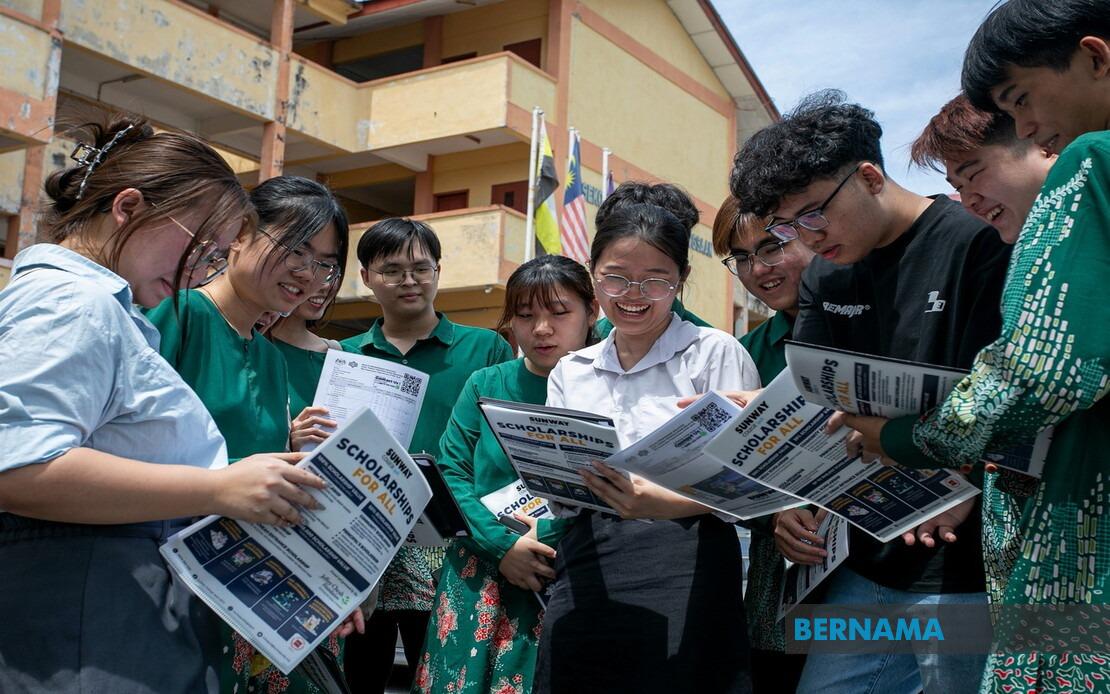
Malaysia's Form Six examination system has demonstrated renewed relevance and inclusivity, according to high-achieving students recognised by the Malaysian Examinations Council. Three standout performers who attained perfect 4.00 cumulative grade point averages in the 2025 STPM examination have articulated distinct advantages of the pathway, from affordability to academic rigour and accessibility features, signalling that the six-year secondary schooling model remains competitive against international alternatives and domestic university admission routes.
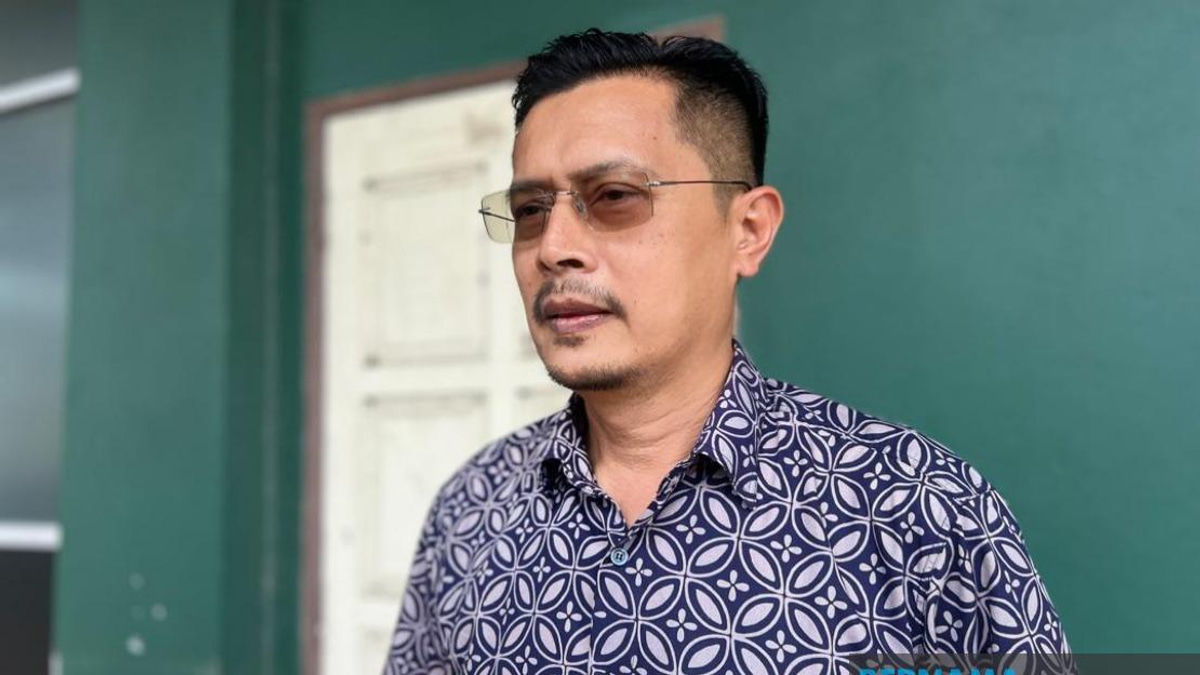
Hazaril Hakimi Hassan, an Orang Asli student from Kampung Paya Mendoi in Kuala Krau, Pahang, exemplifies how Form Six can serve as an equaliser for students from marginalised communities. His journey underscores a broader truth: once learners grasp the practical benefits of pursuing STPM rather than alternative pathways, and receive institutional support from educators and family members, their confidence and commitment deepen markedly. Hazaril, a student at SMK Temerloh, credits this dual understanding—intellectual clarity combined with emotional backing—for his exceptional performance. His ambition to study Malay Language Education at Universiti Putra Malaysia and eventually work as a university lecturer reflects how Form Six can unlock professional aspirations that might otherwise remain out of reach for students from disadvantaged backgrounds.
The financial dimension of Form Six education merits particular attention for Malaysian families navigating tertiary education choices. Ng Yu Yong, a student from SMK Tsung Wah in Kuala Kangsar, Perak, who also secured a perfect 4.00 CGPA, explicitly advocates that Form Six represents superior value for households with constrained budgets. His comparison highlights a critical reality often overlooked in discussions about university entry: the cost differential between pursuing Form Six locally versus private colleges, matriculation programmes, or international qualifications can be substantial. For a nation committed to democratising access to higher education, this affordability dimension carries strategic importance, enabling talented students from lower-income families to pursue excellence without incurring prohibitive debt or forcing parents into financial strain.
Beyond economics, Ng emphasises STPM's academic rigour as a competitive advantage. His achievement in securing five As, including specialist papers in Physics and Biology, positions him well for entry into Universiti Malaya's Bachelor of Medicine and Bachelor of Surgery programme. His recommendation that academically ambitious students select Form Six reflects a perception shift: the pathway is no longer viewed as a fallback option but as an intellectually demanding track suited to high-achieving learners. This reframing matters for counselling and educational planning, as it may influence talented students who previously dismissed Form Six in favour of other routes, wrongly assuming it offered less academic challenge.
The international dimension also strengthens Form Six's proposition. Ng highlights that STPM qualifications enjoy recognition beyond Malaysia's borders, expanding tertiary options for graduates willing to study abroad. This portability is particularly valuable for Malaysian students seeking to pursue degrees at leading universities in Commonwealth nations, continental Europe, and increasingly, other regions. As regional mobility for university education rises, having a domestically rigorous qualification with acknowledged international standing becomes strategically important for career flexibility and global competitiveness.
Inclusion remains a defining strength of the Form Six system, as evidenced by Yeoh Chwen Yih's experience. A visually impaired student at St John's Institution, Yeoh also attained a perfect 4.00 CGPA and represents a cohort whose educational needs are often underserved by mainstream pathways. The availability of screen-reading technology within Form Six institutions has materially enhanced her learning experience, enabling faster access to course materials compared to Braille alternatives and consequently improving study efficiency. Her observation that Form Six provides a comparatively inclusive environment—despite acknowledging that disabled students face structural constraints regardless of pathway—underscores the importance of accessibility infrastructure in educational settings.
Yeoh's aspiration to pursue law at university represents another dimension of Form Six's societal value. By successfully supporting students with disabilities through rigorous secondary education, the system widens the talent pool entering professional fields, enriching universities and eventually the workforce with diverse perspectives and experiences. Her success challenges any assumption that physical disability should limit academic or professional trajectory, provided institutions commit to reasonable accommodations and inclusive design.
The three awardees collectively illustrate how Form Six transcends narrow socioeconomic or demographic categorisation. An indigenous student, a student from a Chinese-medium school in a northern state, and a student with disability each found in Form Six a platform for academic excellence and personal advancement. This diversity of background combined with identical achievement suggests the system's mechanisms for supporting learning are robust and equitable, at least for motivated learners who access available resources.
For policymakers and educators, these outcomes offer reassurance that STPM retains currency in Malaysia's educational landscape. As international qualifications proliferate and private alternatives expand, government-administered tertiary entry pathways risk relegation if perceived as outdated or inferior. Yet student testimonies here demonstrate that when Form Six is presented as a genuine choice rooted in real advantages—affordability, rigour, international recognition, inclusion—talented learners from diverse circumstances select it voluntarily and perform at the highest levels.
The challenge ahead involves scaling these positive experiences. While three stellar performers receive recognition, systematic data on STPM cohort composition, outcomes, and graduate trajectories remain insufficiently visible in public discourse. Stronger communication about Form Six's attributes, coupled with targeted support for students from underrepresented groups, could expand uptake among talented learners currently defaulting to other routes due to information gaps or perceived social prestige factors. Additionally, ensuring that accessibility features available to Yeoh become standard rather than exceptional would strengthen inclusion further.
Moving forward, Malaysia's higher education ecosystem benefits from a healthy, competitive Form Six system. As these three achievers progress into medicine, law, and education, they will carry evidence of Form Six's value into professional spaces, potentially influencing how their peers and future cohorts perceive the pathway. Their success stories, disseminated through media and educational channels, function as powerful counter-narratives to any lingering perception that Form Six represents a second-tier route. For prospective Form Six students evaluating options, particularly those from communities traditionally underrepresented in higher education, these examples provide both aspiration and practical reassurance that excellence through STPM remains genuinely attainable.

%22%2F%3E%3C%2Fpattern%3E%3C%2Fdefs%3E%3Crect%20width%3D%22100%25%22%20height%3D%22100%25%22%20fill%3D%22url(%23ph5dzoeg)%22%2F%3E%3Crect%20width%3D%22100%25%22%20height%3D%22100%25%22%20fill%3D%22url(%23ph5dzoep)%22%2F%3E%3Ctext%20x%3D%2250%25%22%20y%3D%2250%25%22%20text-anchor%3D%22middle%22%20dominant-baseline%3D%22central%22%20fill%3D%22rgba(255%2C255%2C255%2C0.95)%22%20font-family%3D%22Georgia%2C%20'Times%20New%20Roman'%2C%20serif%22%20font-weight%3D%22700%22%20font-size%3D%22170%22%20letter-spacing%3D%22-0.02em%22%3EMalaysia%3C%2Ftext%3E%3C%2Fsvg%3E)