%22%2F%3E%3C%2Fpattern%3E%3C%2Fdefs%3E%3Crect%20width%3D%22100%25%22%20height%3D%22100%25%22%20fill%3D%22url(%23ph5dzoeg)%22%2F%3E%3Crect%20width%3D%22100%25%22%20height%3D%22100%25%22%20fill%3D%22url(%23ph5dzoep)%22%2F%3E%3Ctext%20x%3D%2250%25%22%20y%3D%2250%25%22%20text-anchor%3D%22middle%22%20dominant-baseline%3D%22central%22%20fill%3D%22rgba(255%2C255%2C255%2C0.95)%22%20font-family%3D%22Georgia%2C%20'Times%20New%20Roman'%2C%20serif%22%20font-weight%3D%22700%22%20font-size%3D%22170%22%20letter-spacing%3D%22-0.02em%22%3EMalaysia%3C%2Ftext%3E%3C%2Fsvg%3E)
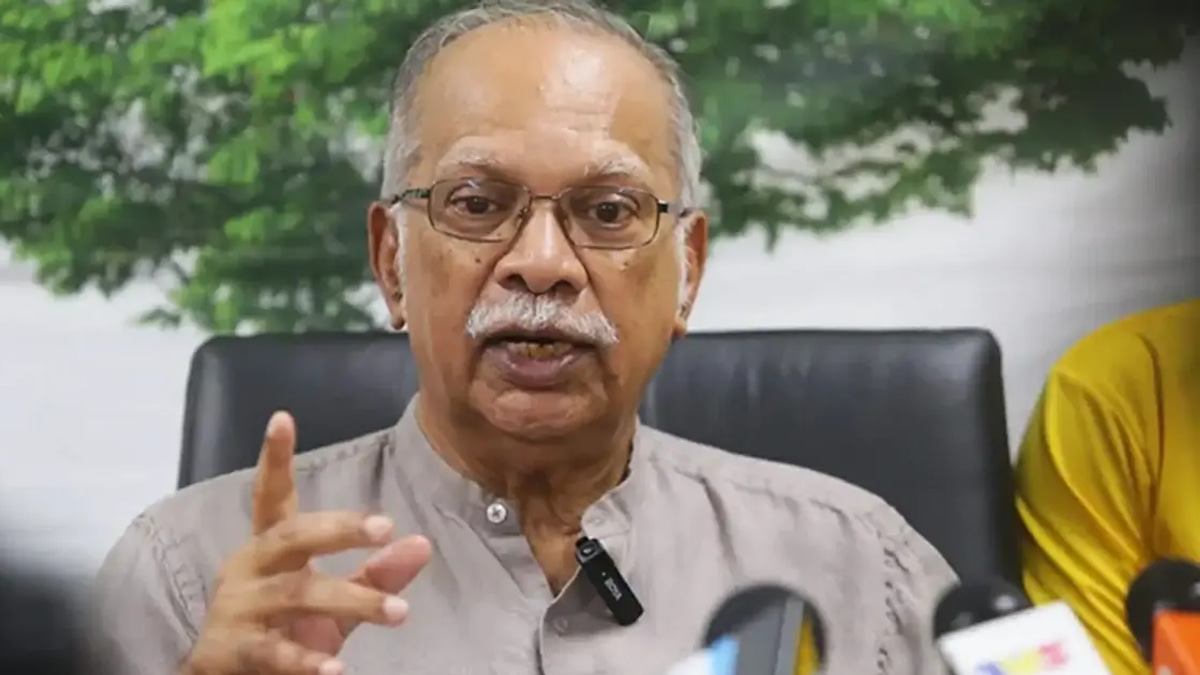
Prime Minister Datuk Seri Anwar Ibrahim has delivered a pointed message to European nations: any perception of unfair treatment in international negotiations will compel developing countries to redirect their economic engagement toward more receptive partners. The warning, delivered at a significant political gathering, reflects the growing assertiveness of Malaysia and other emerging economies in demanding equitable terms within the global trading system. Rather than accepting the traditional hierarchies that have long governed North-South economic relations, Anwar has signalled Malaysia's willingness to look beyond established Western partnerships when circumstances demand it.
The remarks carry particular weight given Malaysia's strategic position as a Southeast Asian economic powerhouse and a nation increasingly central to regional geopolitical calculations. As tensions simmer over various global trade mechanisms and development frameworks, Anwar's declaration underscores how quickly the diplomatic landscape is shifting. Developing nations are no longer obliged to accept outcomes weighted in favour of wealthier economies; they possess sufficient agency and alternative options to walk away from unfavourable arrangements. This shift reflects a broader realignment in how emerging economies view their negotiating power and international standing.
Anwar's intervention touches on longstanding grievances within the developing world regarding asymmetrical trade agreements, investment protections, and technology transfer arrangements. European nations, while progressive on many fronts, have often maintained policies that inadvertently disadvantage producers from the Global South. Whether through stringent sustainability standards that raise compliance costs, labour regulations that smaller economies struggle to implement, or intellectual property rules that limit access to essential technologies, these frameworks can impose disproportionate burdens on developing countries seeking market access. Malaysia's position as a manufacturing and export hub makes it particularly vulnerable to such arrangements.
The political context surrounding these remarks is crucial for understanding their significance. Malaysia sits at a fascinating crossroads in international relations, maintaining strategic partnerships with Western economies whilst simultaneously deepening ties with China, India, and other Asian powers. This multipolar position grants Anwar considerable leverage in diplomatic negotiations. Unlike nations more dependent on traditional Western markets or development finance, Malaysia can credibly threaten to redirect its trade and investment relationships. The existence of genuine alternatives—whether through ASEAN frameworks, Belt and Road Initiative participation, or South-South cooperation mechanisms—gives substance to such warnings.
Economic implications for Malaysia and the broader ASEAN region are substantial. Should European policies become perceived as systematically disadvantageous, Malaysian businesses and policymakers would likely accelerate their pivot toward Asian markets and alternative trading blocs. This could affect supply chains that have historically centred on European-Malaysian commercial relationships, reshape investment flows, and alter the competitive positioning of Malaysian enterprises. The semiconductor industry, palm oil sector, manufacturing hubs, and financial services—all significant to Malaysia's economy—operate within frameworks that depend partly on European market access and regulatory compatibility.
The broader developing world context adds urgency to Anwar's message. As a respected voice within the Non-Aligned Movement and among emerging economies, Malaysia's position carries influence across Africa, Asia, and Latin America. When Anwar speaks about equitable treatment, he articulates frustrations felt across the developing world—nations that have grown wealthier and more technologically sophisticated yet continue facing structural disadvantages in international negotiations. The rise of China and India, the increasing economic clout of ASEAN, and the success stories within the Global South have emboldened leaders to demand symmetry in economic arrangements.
European nations face a delicate balancing act. They maintain significant economic interests in developing countries and seek to preserve their influence as geopolitical competition intensifies. Yet their domestic constituencies often demand standards—whether environmental, labour-related, or governance-focused—that developing nations view as instruments of selective protectionism. The European Union's carbon border adjustment mechanism, for instance, has drawn criticism for potentially disadvantaging developing country exporters whilst protecting European competitors. Such policies, however well-intentioned, breed the resentment Anwar is articulating.
The timing of these remarks is significant within the annual diplomatic calendar. Global economic forums, multilateral negotiations on climate and trade, and bilateral discussions over investment agreements provide repeated opportunities for friction between developed and developing economies. Anwar's warning suggests Malaysia will increasingly push back against terms it deems disadvantageous, rather than accepting them as inevitable features of economic engagement with wealthier nations. This assertiveness reflects generational shifts in developing country leadership; policymakers who came of age during the post-Cold War period feel less obligated to defer to Western preferences than their predecessors.
For Malaysia specifically, the implications extend to several ongoing negotiations and policy discussions. Trade discussions within various forums, environmental agreements that impose compliance burdens, and technology-related negotiations all fall within the ambit of Anwar's concerns. The nation's development agenda—transitioning toward higher value-added manufacturing, building regional technology capacity, and fostering green industries—increasingly demands fairer terms from international partners, whether Western or otherwise. Anwar's intervention signals that Malaysia will pursue these goals by leveraging its alternative partnerships rather than accepting inequitable compromises.
The long-term significance lies in how this message shapes future negotiations. If European policymakers perceive Malaysian warnings as credible threats, they may recalibrate their positions to retain access to important markets and preserve strategic relationships. Conversely, if European nations interpret such declarations as mere posturing, they risk further alienating developing economies and accelerating their pivot toward other partnerships. Given Malaysia's economic weight and regional influence, the former outcome seems more probable—suggesting European stakeholders will need to invest considerable effort in demonstrating commitment to genuinely equitable arrangements.