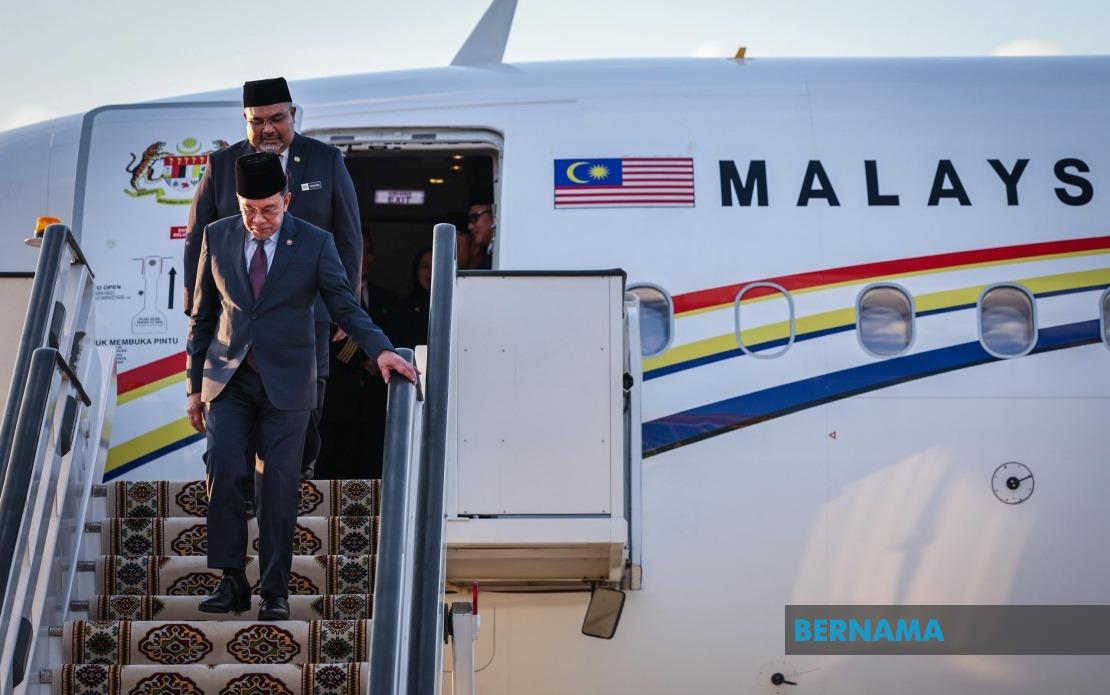
Prime Minister Datuk Seri Anwar Ibrahim touched down in Ashgabat on the evening of June 18, completing his Central Asian tour following a two-day working visit to Kazan in Russia. His arrival at Ashgabat International Airport at 8 pm local time marked the beginning of Malaysia's diplomatic engagement with Turkmenistan at the highest level, with the visit scheduled to run through June 19. The prime minister was greeted upon landing by Malaysia's Ambassador to Turkmenistan Mohd Suhaimi Ahmad Tajuddin, while Turkmenistan's delegation was represented by Deputy Chairman of the Cabinet of Ministers for Oil and Gas Guvanch Agajanov, underlining the energy sector's significance in bilateral relations.
The delegation accompanying Anwar reflects the government's focus on economic engagement with the resource-rich nation. Minister of Investment, Trade and Industry Datuk Seri Johari Abdul Ghani and Minister of Economy Akmal Nasrullah Mohd Nasir travelled with the prime minister, signalling that concrete commercial outcomes are expected from the discussions. The presence of senior officials from both the Prime Minister's Office and the Foreign Ministry indicates that the visit carries substantial diplomatic weight beyond routine courtesy calls. This composition demonstrates Malaysia's intention to translate political goodwill into tangible economic partnerships across multiple sectors.
Turkmenistan President Serdar Berdimuhamedov extended the invitation for this official visit, which reciprocates his own visit to Malaysia in December 2024. The mutual visits reflect growing bilateral ties between the two nations, though Malaysia's engagement with Central Asian states has historically been less prominent than its focus on Southeast Asia and the Middle East. This visit represents the fifth occasion a Malaysian prime minister has travelled to Turkmenistan, indicating a pattern of intermittent but sustained high-level contact. Anwar's presence as the first PM to visit in an official capacity underscores Malaysia's renewed strategic interest in expanding partnerships beyond traditional geographic spheres of influence.
The schedule for June 19 has been designed to facilitate comprehensive bilateral discussions at the state level. A welcoming ceremony hosted by Berdimuhamedov at the Presidential Palace will open the day's formal proceedings, followed by direct one-on-one talks between the two leaders. The planned bilateral negotiations will encompass multiple policy areas, with both sides scheduled to sign a joint statement and exchange agreements and memoranda of understanding that have been negotiated by their respective governments. This structured format reflects the diplomatic protocol expected between two nations seeking to deepen their partnership across several domains.
Trade data underscores the commercial foundation of Malaysia-Turkmenistan relations. In 2025, Turkmenistan ranked as Malaysia's fourth-largest trading partner within Central Asia, with total bilateral trade reaching RM75.80 million. Malaysian exports to Turkmenistan totalled RM75.50 million, representing a nine per cent increase from the previous year. While these figures may appear modest compared to Malaysia's engagement with other regions, they demonstrate a growing economic relationship that both nations view as worthy of prime ministerial attention. The consistent growth trajectory suggests that with appropriate policy support and business facilitation, trade volumes could expand significantly.
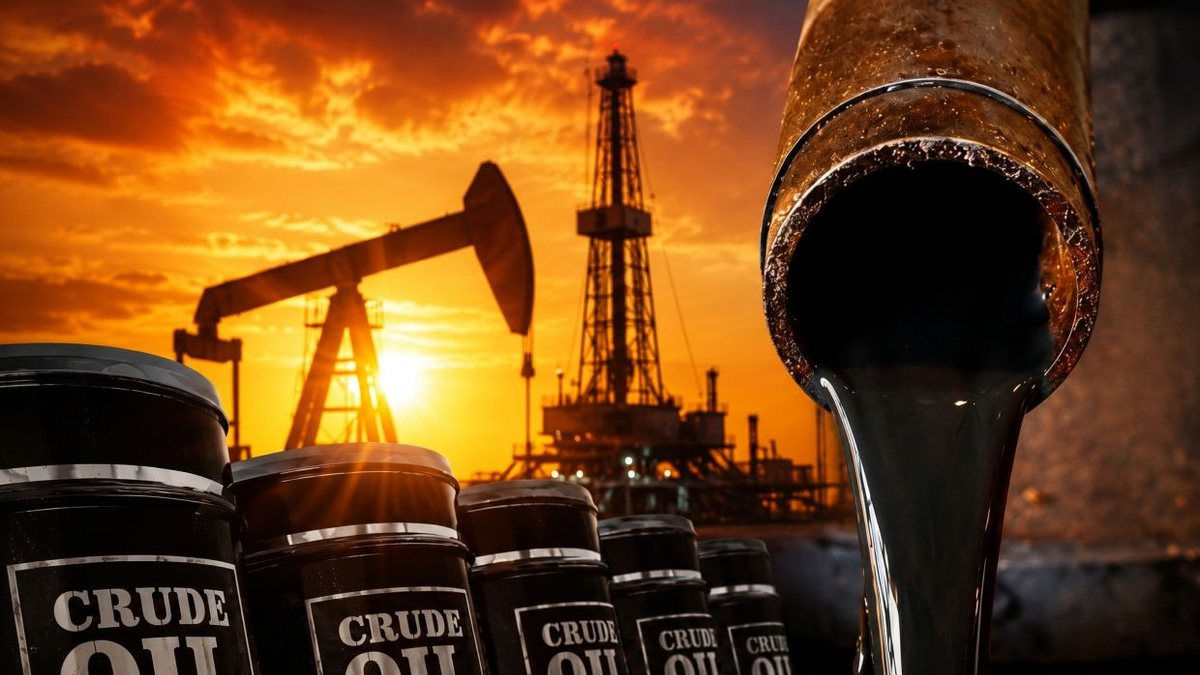
Energy infrastructure represents the cornerstone of Malaysia's economic stake in Turkmenistan. Petronas, the national petroleum company, has established itself as a major investor in Turkmenistan's hydrocarbon sector, with cumulative investments reaching RM52.73 billion since 1996. This substantial financial commitment makes Turkmenistan strategically important for Malaysia's energy security and corporate interests abroad. The presence of Johari Abdul Ghani in the delegation ensures that investment policy issues can be addressed at ministerial level, potentially facilitating regulatory improvements or new project approvals that could benefit Petronas and other Malaysian firms operating in the country.
Beyond formal state business, Anwar's itinerary includes significant cultural and community engagement elements. Following the day's official proceedings, he is scheduled to attend an official luncheon hosted by Berdimuhamedov before performing Friday prayers at the Turkmenbashi Ruhy Mosque, also known as the Gypjak Mosque. This religious observance carries symbolic meaning for Malaysia's Muslim-majority identity and demonstrates respect for Islamic traditions within Turkmenistan. The prime minister is also expected to meet with the Malaysian diaspora and friends of Malaysia during a dinner engagement on the evening of his arrival, acknowledging the expatriate community's role in representing Malaysian interests abroad.
Further economic engagement will occur through the jointly-officiated Malaysia-Turkmenistan Forum at the Chamber of Commerce and Industry of Turkmenistan scheduled for the evening of June 19. This platform provides an opportunity for private sector representatives from both nations to explore specific commercial opportunities, network, and establish partnerships. Business forums at the prime ministerial level typically generate leads and accelerate deal-making processes that might otherwise move slowly through conventional diplomatic channels. The participation of both Anwar and Berdimuhamedov in inaugurating this forum signals government commitment to facilitating private sector collaboration.
From a strategic perspective, Malaysia's outreach to Central Asia reflects broader regional positioning. The Central Asian republics possess substantial energy resources, developing manufacturing sectors, and growing consumer markets that present long-term opportunities for Malaysian companies. Turkmenistan's geographic position as a gateway between Eastern Europe, the Middle East, and Asia makes it strategically valuable for Malaysian businesses seeking to access multiple regional markets. Enhanced bilateral relations could position Malaysian firms to participate in infrastructure development projects and resource management initiatives that Turkmenistan is pursuing.
The timing of this visit, following Anwar's Russia trip, suggests that the prime minister is using his Central Asian engagement to advance a broader regional diplomatic strategy. By visiting both Russia and Turkmenistan sequentially, Malaysia demonstrates non-aligned positioning and balanced engagement with multiple stakeholders in the region. For Central Asian nations, Malaysia represents a Muslim-majority Southeast Asian economy with distinct expertise in Islamic finance, halal industries, and tropical agriculture—sectors with genuine development potential in landlocked Central Asia. This differentiation allows Malaysia to offer value propositions beyond the traditional interests of other external powers in the region.
Looking forward, the agreements and memoranda of understanding to be signed during this visit will likely establish frameworks for expanded cooperation in energy, trade, and investment. Any new agreements could open additional pathways for Petronas expansion, create market access for Malaysian consumer goods and services, and facilitate knowledge exchange in areas such as Islamic finance and halal certification where Malaysia possesses established expertise. The Malaysia-Turkmenistan Forum may produce private sector initiatives that generate employment and technology transfer benefits for both nations. Successful navigation of these diplomatic engagements positions Malaysia to become a more influential economic partner in Central Asia over coming years, diversifying its geographic engagement portfolio beyond its traditional regional anchors.