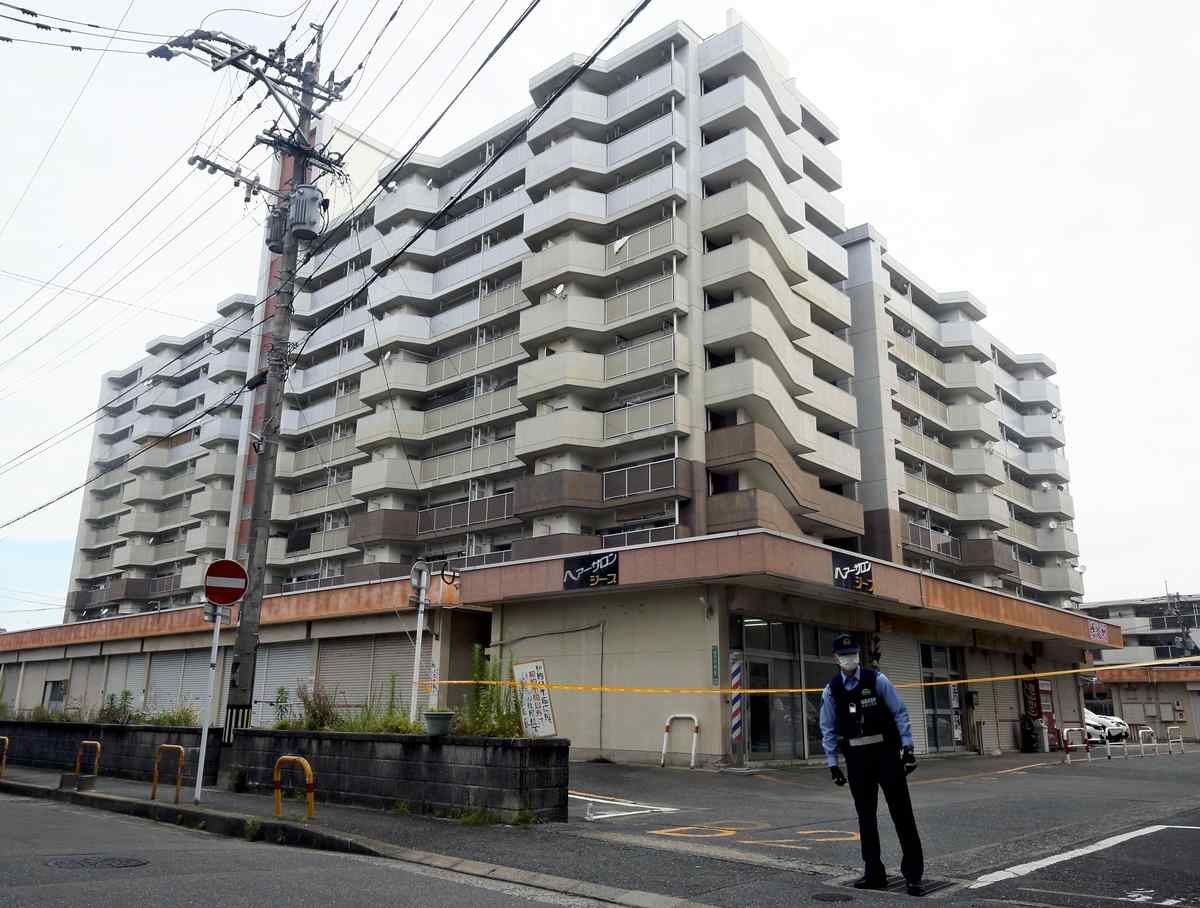
A 36-year-old woman was taken into custody on Thursday, June 18, following the death of her female companion in Fukuoka City, Japan. The Fukuoka Prefectural Police's Higashi Station is investigating the case as a homicide after initially responding to reports of an attempted murder at approximately 3.15am that morning. The victim, aged 33, was rushed to hospital but could not be saved.
The fatal assault involved multiple stab wounds inflicted with a knife-like instrument directed at the victim's neck and chest region. The brutality of the attack stands in stark contrast to the domestic setting in which it occurred. The suspect has since acknowledged her involvement in the incident, offering little resistance to investigators and providing a straightforward confession regarding the circumstances of the stabbing.
What distinguishes this case and heightens its disturbing nature is the presence of three elementary school-age children who remained asleep in an adjacent room throughout the violence. These young witnesses were fortunately spared immediate trauma by their separation from the attack, though the psychological impact of subsequently learning about the event in their home remains a significant concern. The proximity of sleeping children to a scene of such brutality raises questions about the emotional and psychological support these vulnerable individuals will require moving forward.
The relationship between the suspect and victim appears to have been one of close acquaintance, as they were living arrangements sharing the same residence. This detail underscores a troubling pattern observed in violent crime statistics across developed nations, where domestic settings and relationships involving established connections frequently become sites of serious harm. The circumstances suggest an escalation from what may have been an ongoing interpersonal conflict into a fatal outcome.
During initial questioning, the suspect provided what could be characterised as a candid admission of culpability. When confronted with evidence and questioned about her actions, she stated plainly: "It's true I did it. I stabbed her many times." This forthright acknowledgment of responsibility has simplified the investigative process considerably and has allowed authorities to move swiftly toward reclassification of the case from attempted murder to a full homicide investigation. Such cooperation from a suspect, while unusual in serious criminal cases, often reflects either psychological breakdown, acceptance of consequences, or recognition of the gravity of the situation.
The Higashi Station's decision to upgrade the charge category reflects the tragic outcome that emerged following the initial emergency response. When first reported, circumstances suggested a non-fatal assault with intent to cause grievous harm. However, the victim's subsequent death in hospital necessitated this formal reclassification, transforming the legal framework within which the accused will be prosecuted. This procedural adjustment is standard practice in Japanese criminal law and ensures that charges accurately reflect the actual consequences of the alleged criminal conduct.
The timing of the attack in the pre-dawn hours suggests either a spontaneous outburst or a deliberate choice to act when witnesses and potential interventions would be minimised. The darkness and quietness of early morning hours provided conditions under which violence could unfold with minimal external interference. Neighbours may not have been immediately aware of the disturbance, and emergency services responded only after the incident had run its course.
For Malaysian and Southeast Asian observers, this case serves as a reminder of the prevalence of domestic violence and intimate partner harm across economically developed societies. While crime statistics and media coverage often focus on organised crime or street violence, fatal attacks between acquaintances in residential settings represent a persistent and serious public health concern. The involvement of children in these situations, whether as witnesses or collateral victims, compounds the tragedy and necessitates comprehensive support systems.
Japanese law enforcement has demonstrated efficiency in processing this case, moving from initial response to suspect apprehension and formal investigation within hours. The Fukuoka Prefectural Police's protocols for handling homicides have enabled rapid evidence collection and suspect interrogation. The straightforward nature of the confession may expedite proceedings through Japan's criminal justice system, where conviction rates remain relatively high and cases involving clear admissions typically progress swiftly toward adjudication.
The incident underscores ongoing challenges in violence prevention within domestic and residential contexts across the region. While no prior history of conflict between the two individuals has been publicly disclosed at this stage, investigators will likely examine previous interactions and communication patterns to establish context and motive. Understanding the precipitating factors behind such sudden escalation to lethal violence remains a critical focus for criminologists and law enforcement professionals seeking to develop better intervention and prevention strategies.