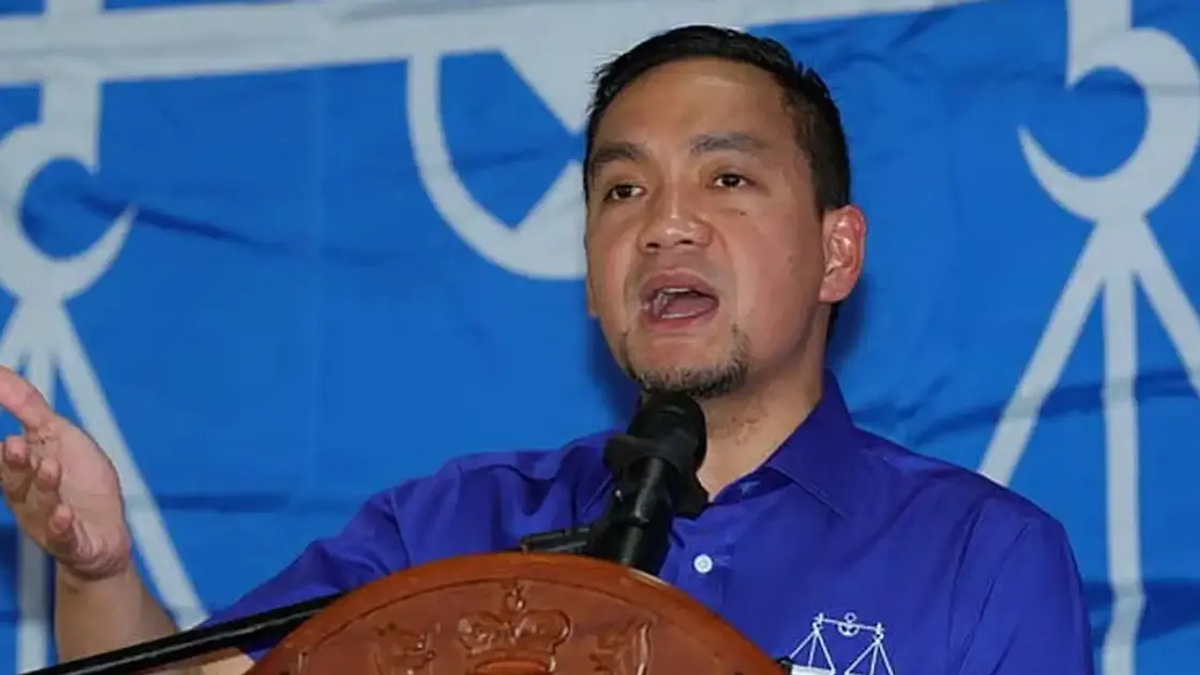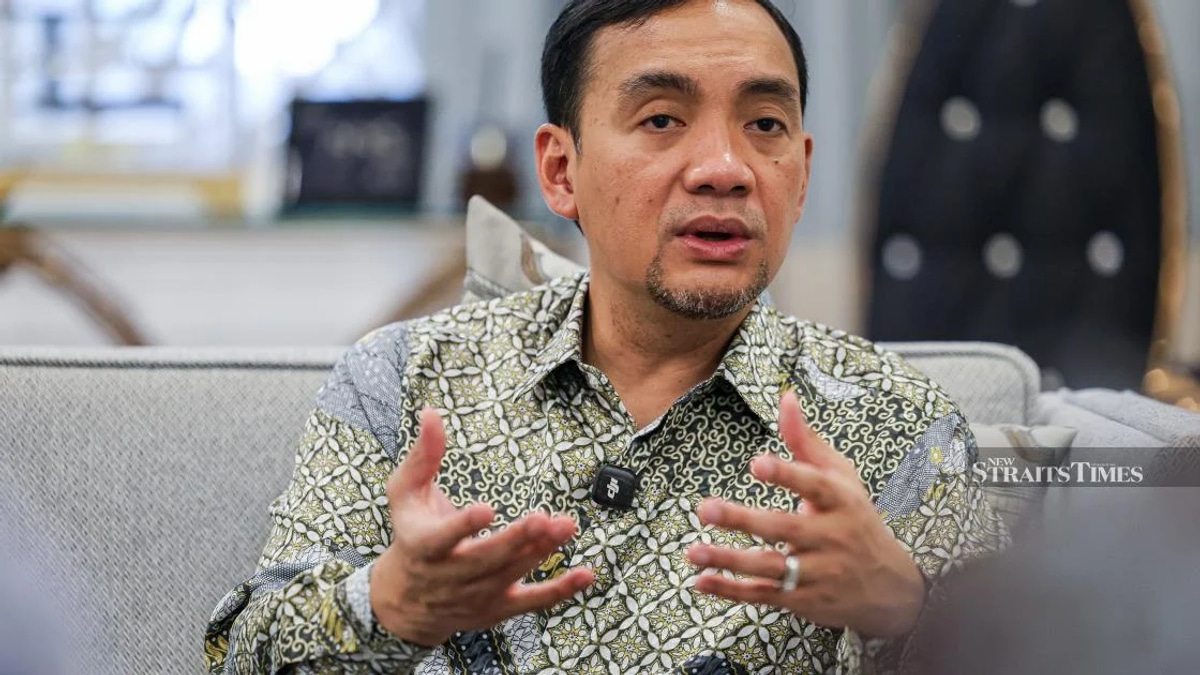
Malaysia's political landscape is undergoing a subtle but significant shift in voter preferences, according to Shahril Hamdan, the former Umno information chief, who argues that electors are gravitating towards leaders who project composure and restraint rather than inflammatory oratory. This observation comes at a moment when the nation continues to grapple with economic pressures, social divisions, and institutional challenges that demand pragmatic solutions rather than populist theatrics.
The contemporary electoral mood, as Shahril describes it, reflects a broader weariness among Malaysian voters. Having endured years of intense political competition characterised by sharp accusations, dramatic pronouncements, and sweeping pledges, the public appears to have developed a preference for leaders who conduct themselves with deliberation and thoughtfulness. This represents a departure from the high-decibel politics that dominated Malaysian discourse in recent election cycles, when politicians wielded incendiary language as a standard campaigning tool.
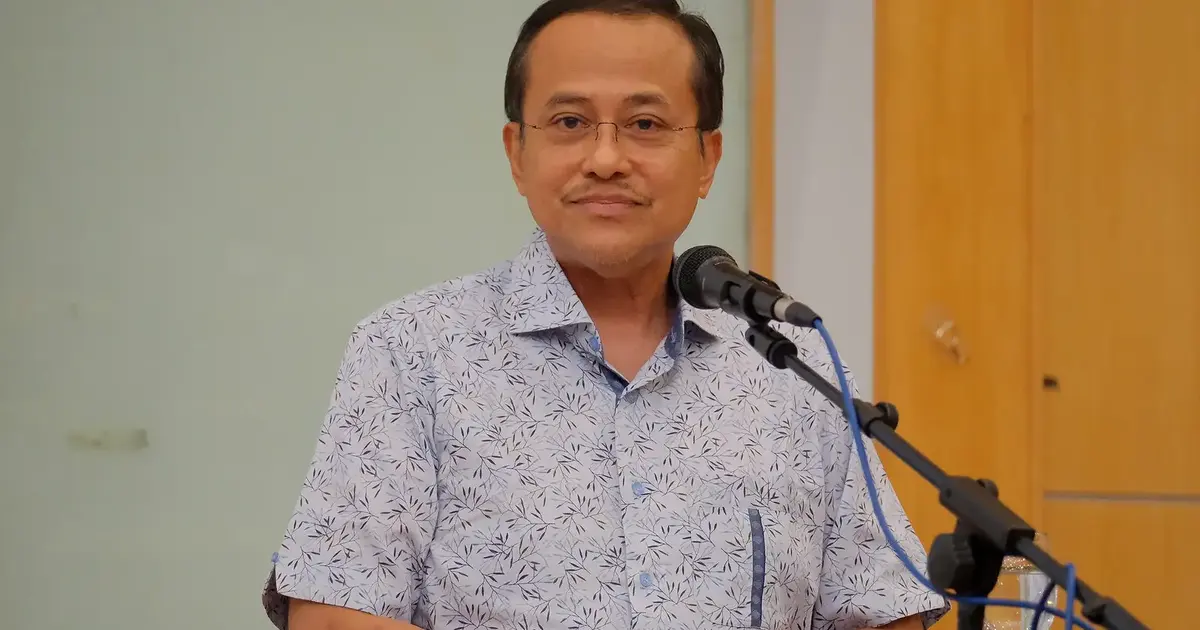
Shahril's reference to figures like Samsuri underscores the qualities that now resonate with voters: a steady demeanour, measured communication, and an emphasis on methodical governance over headline-grabbing announcements. Leaders who project stability and restraint are finding receptive audiences, even as traditional party machines continue to deploy more aggressive strategies. This preference signals that voters have begun to value substance and consistency over the temporary excitement generated by fiery rhetoric.
The fatigue with grand promises appears particularly pronounced in a context where economic realities constrain what governments can realistically deliver. Malaysians have witnessed the gap between campaign pledges and actual policy outcomes repeatedly, making them increasingly sceptical of ambitious assurances that lack credible funding mechanisms or implementation roadmaps. Leaders who acknowledge constraints while outlining achievable objectives are therefore gaining credibility compared to those who promise transformative change without transparent plans.
This shift in voter sentiment carries implications for Malaysia's major political parties and their strategists. The Umno establishment, through voices like Shahril's, appears to be recognising that the electorate's tolerance for conventional firebrand politics may be diminishing. This observation suggests that parties seeking electoral advantage might benefit from recalibrating their messaging and candidate selection towards individuals who embody restraint, expertise, and calm authority rather than charisma and rhetorical flourish.
The preference for composed leadership also reflects deeper anxieties within Malaysian society. With economic uncertainties affecting household incomes, communities remain divided on issues ranging from religious interpretation to ethnic relations, and institutional trust remains fragmented, voters are seeking leaders who can unify rather than polarise. Calm, measured figures are perceived as less likely to exploit divisions for short-term political gain, making them attractive to an electorate seeking stability and cohesion.
From a Southeast Asian perspective, Malaysia's evolving voter preferences align with broader regional trends. Across the region, electorates in mature democracies and emerging political systems alike have demonstrated increasing discernment regarding political messaging. Voters are becoming more sophisticated in distinguishing between theatrical gestures and substantive policy commitments, favouring leaders who demonstrate competence, integrity, and emotional intelligence over those who excel primarily at mobilising crowds through provocative language.
Shahril's commentary also hints at generational shifts within Malaysian politics. Younger voters, who have grown up in the digital age with access to diverse information sources, appear particularly resistant to traditional partisan messaging. They seek authenticity and evidence of tangible achievements rather than inspirational speeches disconnected from implementation capacity. This demographic reality is forcing political parties to rethink their recruitment and promotion of candidates.
The economic dimension of this political preference change cannot be overlooked. Malaysia's position in the region as a middle-income country facing competition from lower-cost manufacturing hubs and threats from automation requires technically proficient, forward-thinking governance. Voters increasingly understand that their economic futures depend on leaders who can navigate complex policy challenges—trade negotiations, technological adaptation, fiscal sustainability—rather than those skilled primarily in rhetorical performance. This economic awareness translates into electoral preference for calm, competent administrators.
Moreover, the COVID-19 pandemic's aftermath appears to have reinforced this shift towards valuing steady, crisis-management-oriented leadership. Malaysians watched as different leaders handled the pandemic response, observing which approaches actually protected public health and which merely generated controversy. This lived experience created a powerful natural experiment in evaluating leadership effectiveness, with calm, scientifically-informed decision-making proving more valuable than dramatic gestures or blame-shifting rhetoric.
The emergence of this preference for measured leadership also suggests potential opportunities for political renewal in Malaysia. Rather than competing solely on the basis of party loyalty, historical narratives, or inflammatory messaging, parties might distinguish themselves through offering candidates who genuinely represent the voter values Shahril identifies: thoughtfulness, competence, stability, and integrity. This shift could encourage more substantive policy debates and more rigorous evaluation of candidates' actual qualifications and track records.
As Malaysia's political landscape continues to evolve, the consolidation of this preference for calm leadership could reshape campaign strategies and candidate selection processes across all major parties. The electorate's message is clear: they are no longer easily swayed by fiery rhetoric alone. Instead, they are voting for leaders who inspire confidence through demonstrated competence and composed authority—a development that could ultimately contribute to more stable, effective governance and healthier democratic discourse in the nation.