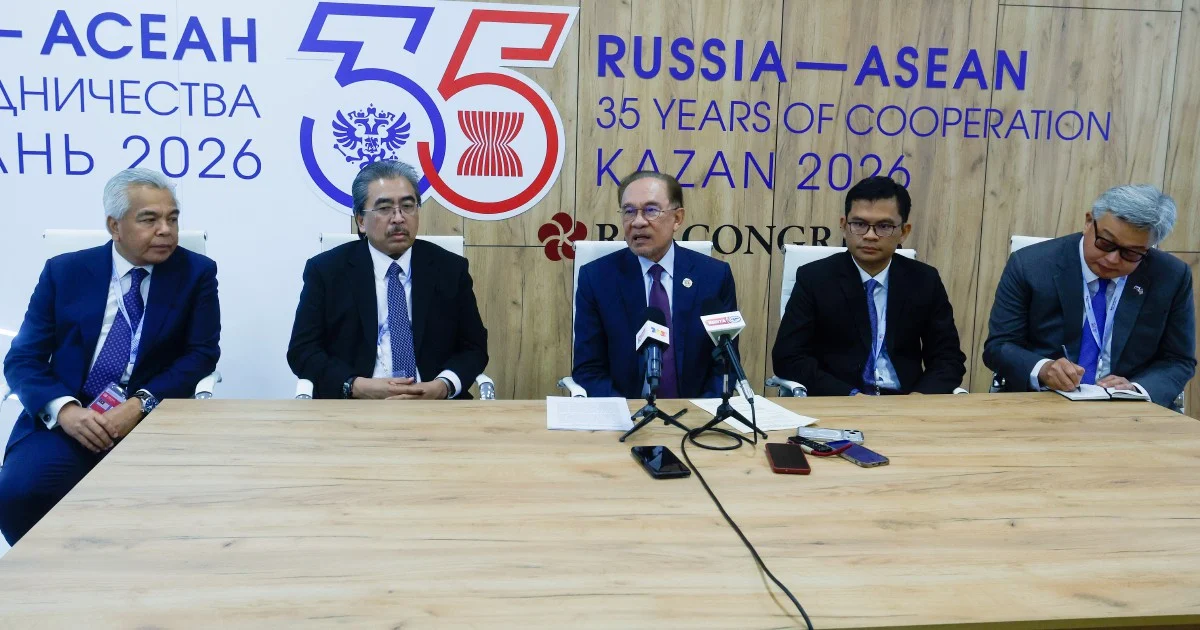
Datuk Seri Anwar Ibrahim has instructed the government to accelerate the implementation of visa-free travel arrangements for Russian tourists visiting Malaysia, signalling a strategic pivot to strengthen the country's tourism recovery efforts in the post-pandemic era. The Prime Minister's directive, delivered in Kazan, reflects Malaysia's commitment to broadening its international visitor base and capitalising on emerging market opportunities that remain underexploited by regional competitors.
The push to expedite visa liberalisation for Russian nationals represents a deliberate policy shift aimed at removing bureaucratic barriers that have historically deterred leisure and business travellers from Eastern Europe. By streamlining entry procedures, Malaysia positions itself to capture a significant share of outbound Russian tourism, particularly as travel patterns globally shift in response to geopolitical and economic disruptions affecting traditional tourism flows.
Russia presents a substantial untapped market for Malaysian tourism. The country has a substantial middle class with disposable income and proven appetite for international travel, particularly to tropical and culturally distinctive destinations. Russian tourists have historically favoured Southeast Asian destinations for their climate, affordability relative to European alternatives, and unique cultural experiences. Malaysia's diverse attractions—from the modern infrastructure of Kuala Lumpur to the natural wonders of Sabah and Sarawak—align well with the preferences of Russian visitors seeking varied experiences within a single itinerary.
The visa-free arrangement would position Malaysia competitively against neighbouring countries in the region that have already implemented similar measures or maintain reciprocal agreements. Thailand and Vietnam have successfully leveraged visa exemptions to boost Russian visitor arrivals, demonstrating the commercial viability of such policies. By moving swiftly to implement comparable arrangements, Malaysia can avoid falling behind in the competition for high-value regional tourism market share.
From an economic perspective, increased Russian tourist arrivals would generate substantial revenue across multiple sectors. Hotels, restaurants, transportation services, retail establishments, and entertainment venues would all benefit from expanded visitor spending. The multiplier effects of tourism expenditure extend throughout the economy, supporting employment in service industries and creating opportunities for small and medium-sized enterprises that depend on tourist dollars. For Malaysia's post-pandemic economic recovery, this revenue stream represents a meaningful supplement to other growth drivers.
The timing of Anwar's directive carries additional significance given Malaysia's broader foreign policy positioning. Strengthening tourism ties with Russia reflects the government's non-aligned approach to international relations and its efforts to diversify economic partnerships beyond traditional Western markets. In an era of shifting geopolitical alignments, tourism serves as a practical instrument of soft power and economic diplomacy, fostering goodwill and people-to-people connections that transcend political tensions.
Implementing visa-free travel requires coordination across multiple government agencies, including the immigration department, tourism ministry, and security services. The expedited timeline suggests authorities must streamline approval processes, update system infrastructure, and ensure adequate screening mechanisms remain in place despite the relaxed entry requirements. This balancing act—facilitating visitor access while maintaining border security—demands careful planning and resource allocation from relevant stakeholders.
The initiative also reflects recognition within government circles that Malaysia's tourism sector requires aggressive marketing and policy innovation to recover to pre-pandemic visitor levels. While international arrivals have rebounded significantly since 2020, they remain below historical peaks. Attracting new source markets becomes essential to maximising occupancy rates, diversifying revenue sources, and building resilience against disruptions affecting established tourism corridors.
For Malaysian businesses dependent on tourism, the prospect of easier Russian visitor access generates optimism about revenue recovery and expansion prospects. Tour operators, hospitality chains, and retail networks have positioned themselves to cater to Russian preferences, anticipating that visa liberalisation would unlock latent demand. However, success will depend on coordinated marketing efforts to build awareness among Russian consumers that Malaysia offers competitive advantages over alternative destinations.
The announcement from Kazan also signals Malaysia's willingness to engage constructively with diverse international partners across different geopolitical contexts. Rather than limiting engagement based on current political tensions, the government prioritises pragmatic economic cooperation that delivers tangible benefits to Malaysian citizens through job creation and foreign exchange earnings. This approach aligns with Malaysia's historical tradition as a bridge nation between different regions and political systems.
Government officials must now operationalise the Prime Minister's directive by establishing timelines, allocating resources, and coordinating with Russian authorities on reciprocal arrangements. The success of this initiative will be measured not merely by policy implementation, but by actual visitor arrivals and the economic impact these tourists generate throughout Malaysia's tourism ecosystem. Early results will likely inform the government's approach to visa arrangements with other potential source markets seeking similar treatment.
For Malaysia's tourism industry, the expedited visa-free arrangement for Russians represents a concrete policy win that addresses longstanding frustrations about competitive disadvantages in regional markets. The directive demonstrates political will at the highest level to remove barriers to growth and respond to sector-specific needs. As implementation proceeds, stakeholders across the tourism value chain will watch closely to measure tangible benefits and identify lessons applicable to other market development strategies.