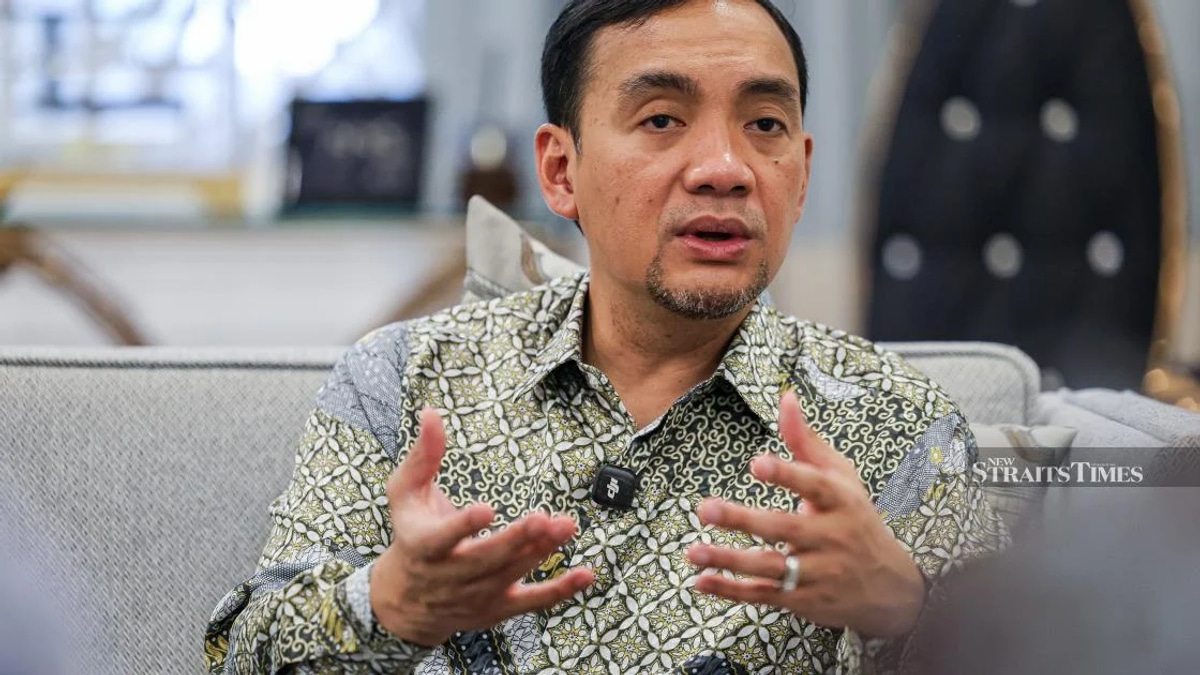
Malaysia's federal government has taken a significant step towards formalising Islamic education by approving the establishment of a National Tahfiz Council, an institution designed to harmonise tahfiz (Quranic memorisation) education standards across the nation. Deputy Prime Minister Datuk Seri Dr Ahmad Zahid Hamidi announced the decision at last week's Cabinet meeting, with Prime Minister Datuk Seri Anwar Ibrahim appointing him as chairman of the new council. The move represents a watershed moment for a sector that has operated somewhat fragmented, with individual institutions and states setting their own standards and recognition criteria.
The fundamental purpose of the National Tahfiz Council centres on creating institutional coherence within the tahfiz ecosystem. Rather than allowing individual tahfiz schools and Islamic institutions to operate in isolation, the council will establish unified direction, standardised education models, consistent recognition criteria, and clearly mapped academic pathways for students pursuing Quranic memorisation. This structural reform addresses a long-standing challenge in Islamic education within Malaysia: the absence of a comprehensive framework that connects tahfiz studies to broader educational and vocational opportunities. By establishing such infrastructure, the government hopes to elevate tahfiz education from a purely religious pursuit to a recognised component of Malaysia's formal education system.
Ahmad Zahid articulated an ambitious vision for tahfiz students that extends far beyond traditional religious scholarship. He envisions a trajectory whereby students begin their tahfiz journey in early childhood through integrated preschools, continue through structured schooling, proceed to university-level studies, and ultimately transition into professional careers. This progression model mirrors conventional educational pathways, legitimising tahfiz as a viable academic and vocational pursuit rather than positioning it as a parallel or supplementary educational track. The emphasis on credentials, professional qualifications, and economic viability reflects a pragmatic understanding that tahfiz students require not only spiritual development but also marketable skills and career prospects in a competitive economy.
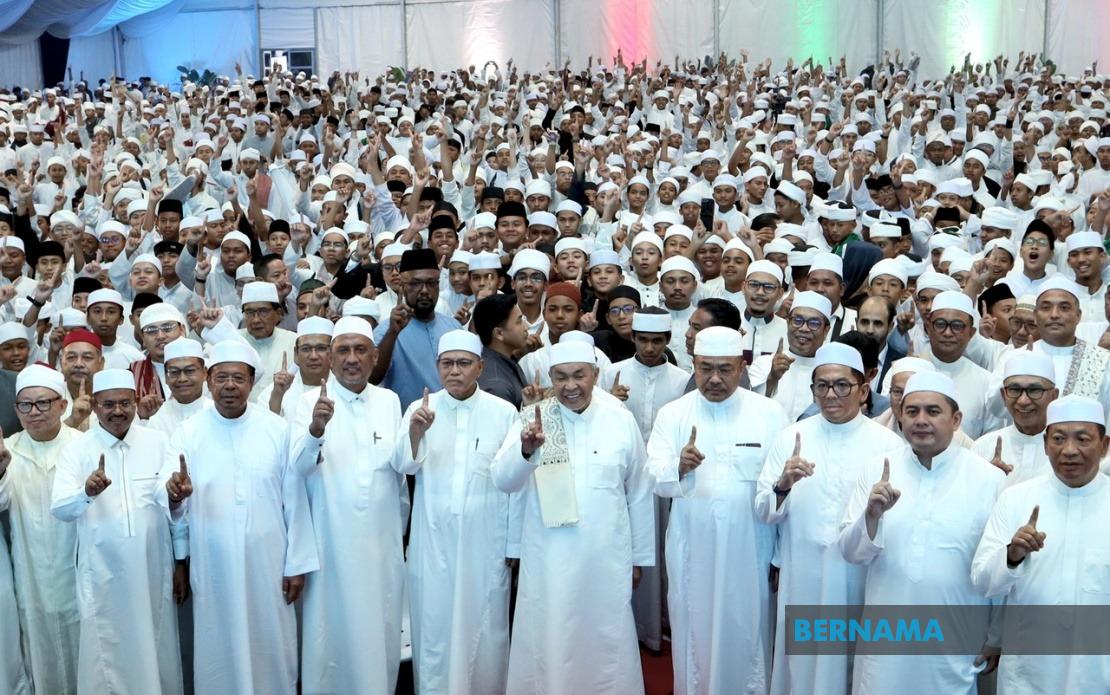
Pahang State has emerged as a model for tahfiz education development, demonstrating how comprehensive pathways can be constructed within a single jurisdiction. The state's initiatives, undertaken with the patronage of Sultan Al-Sultan Abdullah Ri'ayatuddin Al-Mustafa Billah Shah, encompass early childhood programmes such as Tadika Tahfiz Negeri Pahang, which cultivate Quranic literacy from preschool age. By establishing foundations at this developmental stage, Pahang has created a pipeline that allows students to progress through increasingly advanced levels of tahfiz study while simultaneously acquiring complementary academic and practical skills. The Pahang State Huffaz Gathering 2026, which attracted over 5,000 Quranic scholars from across the state, underscores the scale and institutional maturity of tahfiz education in the region.
The National Tahfiz Policy 2.0, currently under implementation review, introduces several mechanisms designed to professionalise and certify tahfiz education. The Malaysian Tahfiz Certificate 2.0 creates a standardised qualification that tahfiz institutions can work towards, whilst the Graded Hafazan Certification system establishes benchmarks for memorisation achievement. Technical and vocational education and training (TVET) components have been integrated to ensure that tahfiz students develop job-ready skills alongside their religious studies. The Huffaz Financing Scheme addresses a practical barrier many families face, providing financial support to enable students from less affluent backgrounds to pursue tahfiz education without economic hardship.
Recognition remains a critical component of the reform agenda. The Malaysian Tahfiz Recognition Standard creates a unified framework whereby different institutions' qualifications become mutually recognised and valued within the formal education system. This standardisation proves essential for facilitating student mobility between institutions and ensuring that credentials earned in one state gain acceptance throughout Malaysia. Without such recognition mechanisms, tahfiz graduates have historically struggled to transfer credits to conventional universities or to secure employment with credentials their employers could not easily verify.
Institutional collaboration has been catalysed through strategic partnerships between tahfiz organisations and key government agencies. The memorandum of understanding signed at the Pahang gathering between Yayasan Pahang, the Community Development Department (KEMAS), and Majlis Amanah Rakyat (MARA) exemplifies this approach. MARA, historically focused on indigenous business development and skills training, now engages directly in tahfiz education expansion, whilst KEMAS integrates tahfiz programming into community development initiatives. These linkages create pathways whereby tahfiz institutions can access government funding, technical expertise, and skills training infrastructure that would otherwise remain inaccessible.
Higher learning institutions and skills training centres have been brought within the National Tahfiz Council's orbit, establishing formal collaboration agreements designed to facilitate tahfiz graduate transitions to tertiary education. Universities increasingly recognise tahfiz credentials as entry qualifications or as components of interdisciplinary programmes combining Islamic studies with professional fields. Polytechnics and community colleges offer TVET-aligned programmes through which tahfiz students can acquire vocational credentials in fields ranging from Islamic finance to Quranic pedagogy.
The establishment of this council carries implications extending beyond religious education into broader Malaysian educational policy. By recognising tahfiz as a legitimate educational pathway rather than marginalising it as purely religious instruction, the government signals that Islamic educational traditions possess validity within contemporary Malaysian society. This legitimisation may encourage greater parental engagement with tahfiz education, potentially increasing enrolment across institutions. Conversely, the formalisation and standardisation process may generate tensions with traditionalist segments within the Islamic education community who view external regulation as incompatible with Islamic learning principles.
For Southeast Asian countries wrestling with similar questions about integrating religious education within national systems, Malaysia's National Tahfiz Council offers a case study in institutionalisation. The approach balances respect for religious identity with contemporary concerns about educational standards, economic utility, and social mobility. By creating formal recognition mechanisms and career pathways, the council attempts to address a perennial challenge facing Islamic education systems across the region: positioning religious scholarship as compatible with, rather than competitive to, economic participation and professional advancement.