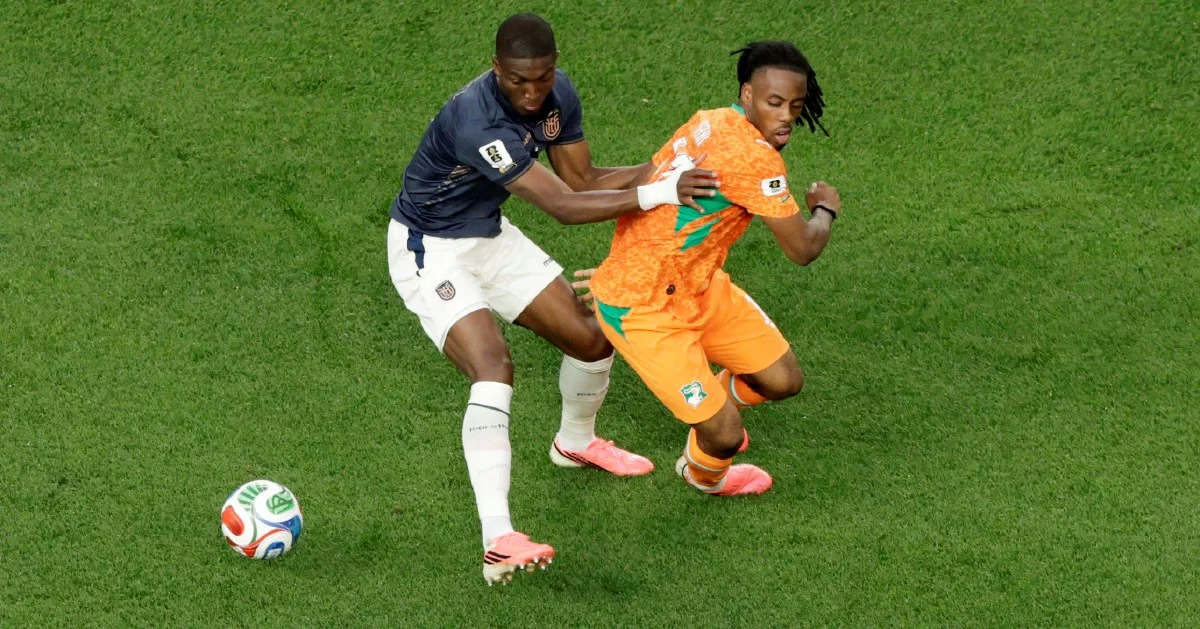
Ivory Coast has taken the dramatic step of excluding forward Elye Wahi from its travelling squad for this weekend's crucial World Cup encounter against Germany, the Ivorian Football Federation announced on Thursday. The decision comes just one day after the player became implicated in an ongoing investigation into potential match-fixing within French professional football's top division, Ligue 1.
The timing of the suspension underscores the gravity with which the Ivorian Football Federation views the allegations. Rather than risk fielding a player at the centre of a corruption inquiry, the federation opted for swift institutional action, signalling its commitment to integrity in international competition. The move reflects wider concerns within world football about the vulnerability of major tournaments to regulatory scandals and reputational damage.
Match-fixing investigations in top European leagues have intensified in recent years, with betting syndicates and criminal networks increasingly targeting high-profile fixtures. The Ligue 1 inquiry that ensnared Wahi represents part of a broader pattern where African players operating in European competitions occasionally find themselves at the intersection of legitimate sporting careers and external pressures tied to gambling networks or organised crime. Such investigations can take months or even years to conclude, leaving players in limbo professionally and personally.
Wahi's suspension from the World Cup squad represents a significant blow to Ivory Coast's attacking options at a critical juncture in the tournament. The removal of a forward from an international squad days before a consequential match creates tactical complications for the coaching staff and raises questions about squad depth. For context, the Ivorian team must now field alternative attacking personnel against a formidable German side with limited preparation time for tactical adjustments.
The German match itself carries substantial implications for Ivory Coast's tournament trajectory. World Cup qualification stages demand consistency and firepower, making the absence of a regular attacking option particularly costly. The federation's decision, though ethically sound from a governance perspective, creates practical challenges on the pitch that rival coaching staff will undoubtedly monitor closely.
From a Southeast Asian perspective, this incident illustrates how corruption investigations in European football can swiftly ripple across international competitions, affecting teams and regions thousands of kilometres away. Many Southeast Asian players compete in European leagues, and similar investigations have periodically ensnared regional talent. The Ivory Coast federation's response offers a case study in how national football bodies can respond decisively when their players face such allegations, potentially serving as a precedent for other federations confronting similar ethical dilemmas.
The match-fixing scandal underlying Wahi's suspension reflects vulnerabilities in professional football globally. Ligue 1, despite its prominence and resources, remains susceptible to manipulation by individuals or groups willing to corrupt the competitive integrity of matches. These investigations typically involve coordinated efforts by law enforcement, football authorities, and betting regulators to untangle networks of corruption that can span multiple countries and involve substantial financial transactions.
Wahi's situation also highlights the asymmetry many players face when implicated in investigations. Regardless of eventual findings, mere association with a corruption probe creates reputational consequences, restricts opportunities, and generates unwanted publicity. For players from smaller football nations, such incidents carry magnified impact, as their career prospects and earning potential depend heavily on visibility and reputation within a relatively concentrated network of European clubs.
The Ivorian Football Federation's swift action demonstrates institutional responsibility, yet it also raises broader questions about due process and the treatment of players during investigations. The federation acted without awaiting formal conclusions, suggesting either confidence in investigative findings or a calculation that precautionary measures best serve national team interests. This threshold for institutional action varies across football federations, with some requiring formal charges while others adopt more conservative approaches.
Looking ahead, the outcome of the Ligue 1 investigation will determine whether Wahi's suspension proves temporary or presages longer-term consequences for his career. Such investigations often operate on extended timelines, with preliminary findings sometimes requiring years of corroboration before establishing culpability conclusively. In the interim, players exist in professional limbo, their prospects subject to speculation and inference.
The broader context of World Cup competitions means that squad suspensions carry heightened visibility and urgency. Unlike domestic leagues where rotation systems and extended seasons permit gradual adjustments, international tournaments operate on compressed timelines where every squad decision influences competitive outcomes immediately. Ivory Coast's federation recognised this reality and prioritised institutional integrity over temporary competitive advantage, a choice that may resonate throughout African football governance structures facing similar ethical pressures.