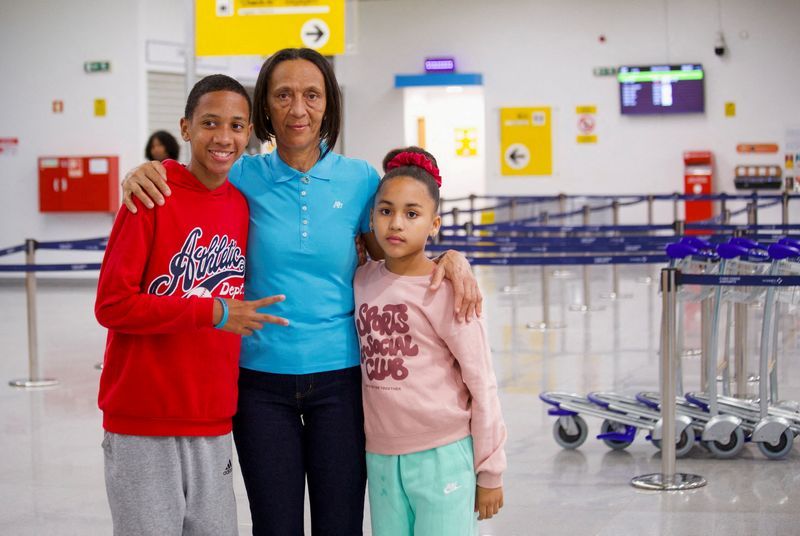
The emotional story of Cape Verde goalkeeper Vozinha and his absent mother at the World Cup has taken a positive turn, with the US State Department confirming that Ana Candida Evora has finally received her visa to witness her son in action. The 40-year-old shot-stopper's heartfelt revelation about missing his breakthrough tournament moment sparked international attention and prompted swift diplomatic intervention, ultimately breaking through what had seemed an insurmountable bureaucratic obstacle.
Vozinha's inaugural World Cup performance against Spain in Atlanta proved to be a masterclass in goalkeeping. Making seven crucial saves during the match, the Cape Verde custodian orchestrated a remarkable defensive display that resulted in a goalless stalemate with the European champions. His contribution was so significant that he earned the distinction of being named his team's player of the match, establishing himself as a genuine World Cup contender despite the unfancied status of his squad.
Yet this moment of professional triumph was overshadowed by a profound personal absence. When Vozinha spoke publicly about his mother's inability to travel from Cape Verde to Atlanta, the emotional weight of the situation became apparent. The visa denial had forced Evora to remain at home, unable to share in what should have been a crowning achievement for both mother and son. His tearful account resonated across international media platforms, transforming a family's private disappointment into a public discourse about immigration barriers affecting ordinary citizens.
The diplomatic response came swiftly once Vozinha's story gained traction. US State Department officials announced that their consular team in Praia, Cape Verde's capital, had been mobilised to assist Evora directly. Working through the procedural requirements with focused intensity, the visa unit accelerated her application through the approval process. A State Department representative declared their commitment to enabling her travel, using language suggesting the matter had been elevated beyond standard visa processing protocols.
What had made Evora's predicament particularly poignant was the financial dimension underlying the visa denial. Under strict immigration policies implemented during the Trump administration, citizens from dozens of nations—including Cape Verde—faced a requirement to post substantial bonds ranging up to 15,000 US dollars simply to enter the United States. These bonds were essentially insurance deposits designed to guarantee departure, reflecting heightened scrutiny of visa applicants from developing nations. For a mother in Cape Verde hoping to support her son, such a sum represented an astronomical expense, effectively placing World Cup attendance beyond realistic possibility.
Although the bond requirement was subsequently waived for visitors holding valid World Cup tickets, the damage had already been done in Evora's case. She had already determined that the financial burden was insurmountable and made the painful decision to forgo the trip. Her son's unexpected stardom and emotional public plea about her absence changed circumstances dramatically, opening doors that seemed permanently closed only days earlier.
The significance of Vozinha's mother now being able to travel extends beyond resolving one family's disappointment. Her visa approval underscores the complex intersection of sport, diplomacy, and immigration policy in the contemporary World Cup context. Southeast Asian readers will recognise similar tensions in how international sporting events intersect with travel restrictions and visa requirements affecting citizens from the region. The incident demonstrates that sustained media attention and public pressure can sometimes compel rapid policy reconsideration, even within rigid bureaucratic systems.
With her visa now confirmed, Evora will be present for Cape Verde's second group stage match against Uruguay, scheduled for Miami on Sunday. This encounter carries different stakes than the opening fixture against Spain, as a positive result would enhance Cape Verde's prospects of advancing from the group phase. Whether Vozinha can replicate his outstanding defensive performance while emotionally buoyed by his mother's presence in the stadium remains an open question, but her attendance will undoubtedly carry profound psychological significance.
Cape Verde's participation in the World Cup itself represents a significant achievement for the small Atlantic island nation. The team's surprising competitiveness, exemplified by holding one of the tournament's favourites to a goalless draw, has generated considerable pride across the country and the broader Cape Verdean diaspora. Vozinha's emergence as a dependable defensive asset has contributed meaningfully to this unexpected success, and his mother's journey from visa rejection to approved travel encapsulates the human narratives that often transcend the technical aspects of professional football.
The broader immigration context remains worth noting for observers across Southeast Asia. During periods of heightened border security and restrictive visa policies, even legitimate sporting tourists and family members of international competitors can find themselves ensnared in bureaucratic complications. The pressure-sensitive nature of World Cup attendance, where moments are fleeting and opportunity costs are real, creates particular hardship when visa processing stalls. Vozinha's case, fortunately resolved through diplomatic intervention, highlights how public visibility can sometimes accelerate solutions that remain unavailable to countless other travellers facing identical structural barriers.